


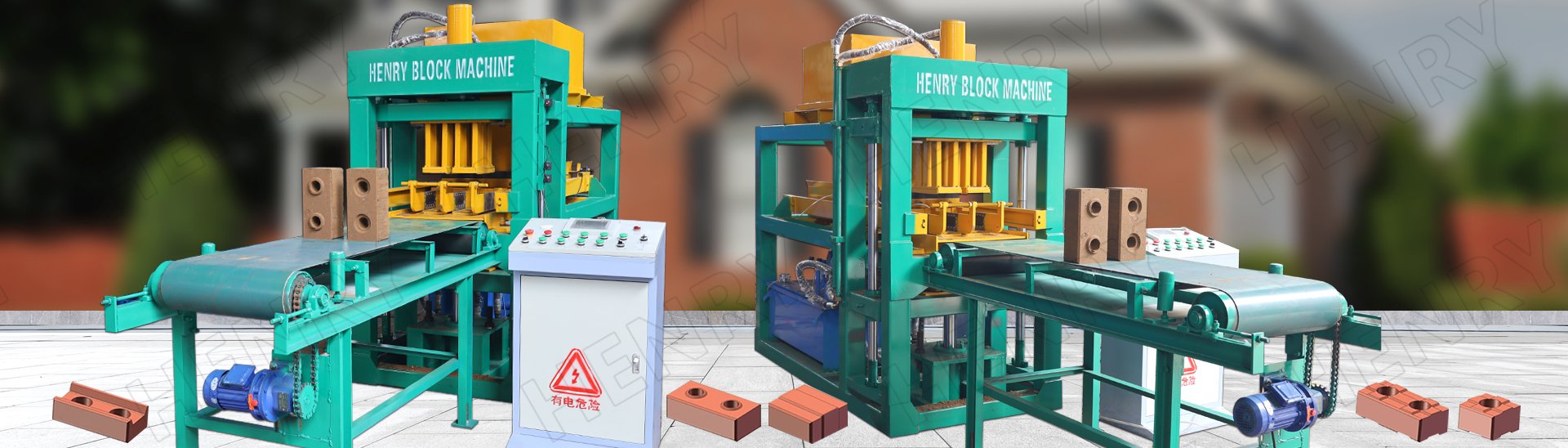
HR2-10 hydraform international for fully automatic, high-efficiency, and large-scale production of hydraform bricks
The HR2-10 hydraform machine utilizes a PLC-based control system and automated hydraulic pressing to transform raw clay materials within the mold into standardized hydraform blocks. It offers a construction solution that is efficient, eco-friendly, cost-effective, and convenient to implement. Currently, the technology for producing hydraform interlocking bricks using a hydraform bricks machine has spread to over 80 countries and regions worldwide and is showing rapid growth, paving a viable path toward addressing housing shortages in developing countries.
Interlocking blocks produced by the HR2-10 interlocking brick machine offer significant advantages in terms of cost and efficiency. Composed of approximately 90% clay and eliminating the need for the firing process required for traditional bricks, these bricks are highly cost-effective to produce. The hydraform interlocking blocks produced by the hydraform block machine feature a unique interlocking design that significantly accelerates the pace of house construction while ensuring tight wall connections and strong structural integrity. Hydraform bricks produced by brick making machines offer advantages such as low production costs, rapid construction speeds, and reduced mortar consumption, enabling a 40% reduction in housing construction costs.
The HR2-10 hydraform international measures 2,400 x 1,400 x 2,800 mm and weighs 1,400 kg. It features a hydraulic force of 40 tons (customizable) and can mold two hydraform bricks (230 x 220 x 115 mm) per cycle, achieving a daily output of 3,800–4,200 bricks; it is also equipped with a brick discharge platform to ensure high production efficiency. The HR2-10 interlocking machine can also produce ssb bricks of various other specifications and types—such as U-shaped bricks, half-bricks, and paving bricks—simply by installing the appropriate molds.
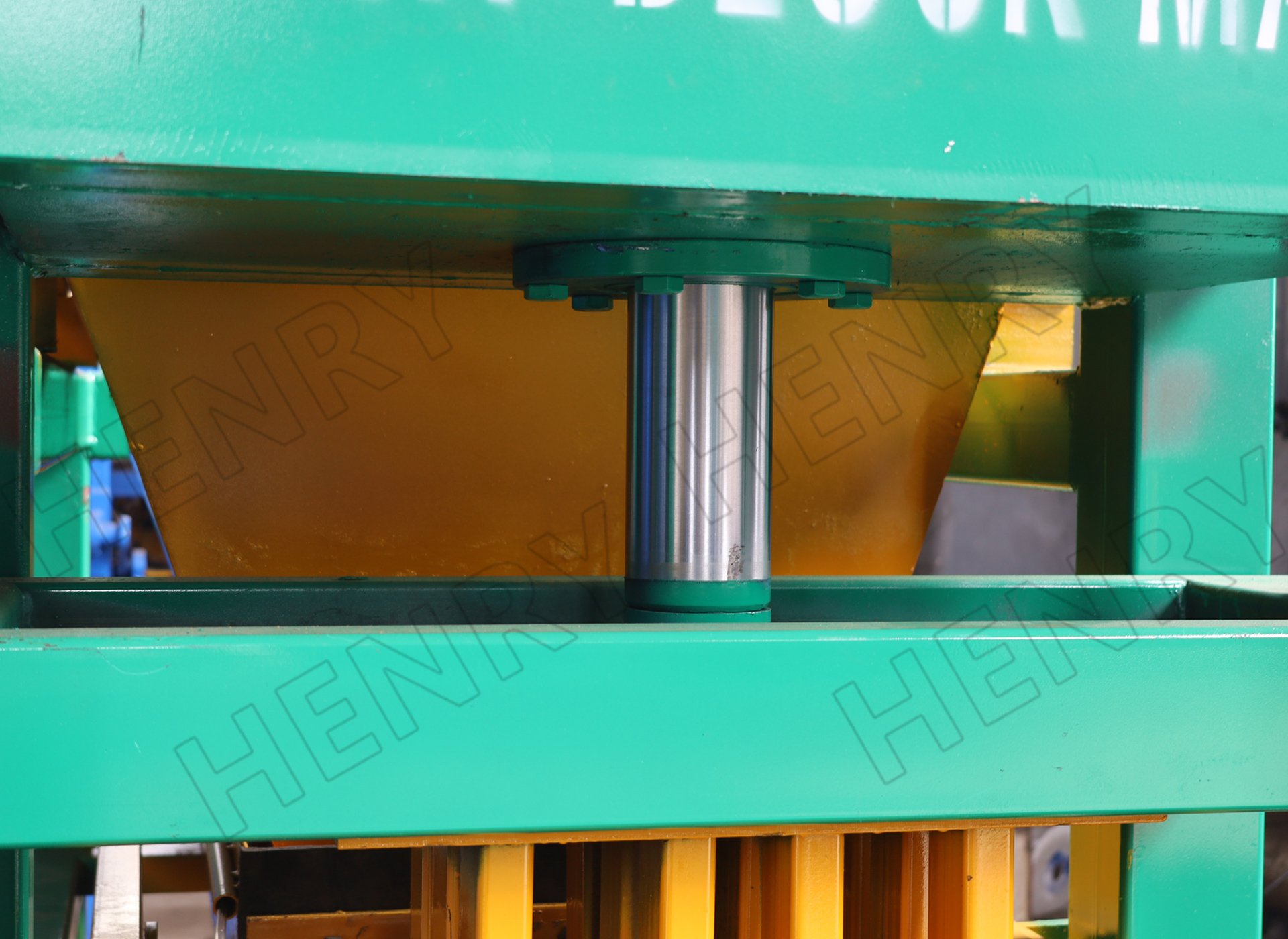
40-ton hydraulic cylinder (customizable)
The hydraulic cylinders of the HR2-10 hydraform international convert the pressure generated by the hydraulic pump into mechanical pressing force; this provides the powerful, stable force required to compress raw materials within the mold into standard-sized interlocking building bricks. Once the pressing process is complete, the bottom hydraulic cylinder ejects the molded hydraform bricks, thereby releasing it from the mold. The hydraulic cylinder plays a critical role in the production of hydraform blocks by the HR2-10 interlocking block making machine, directly influencing the bricks’ density and strength.
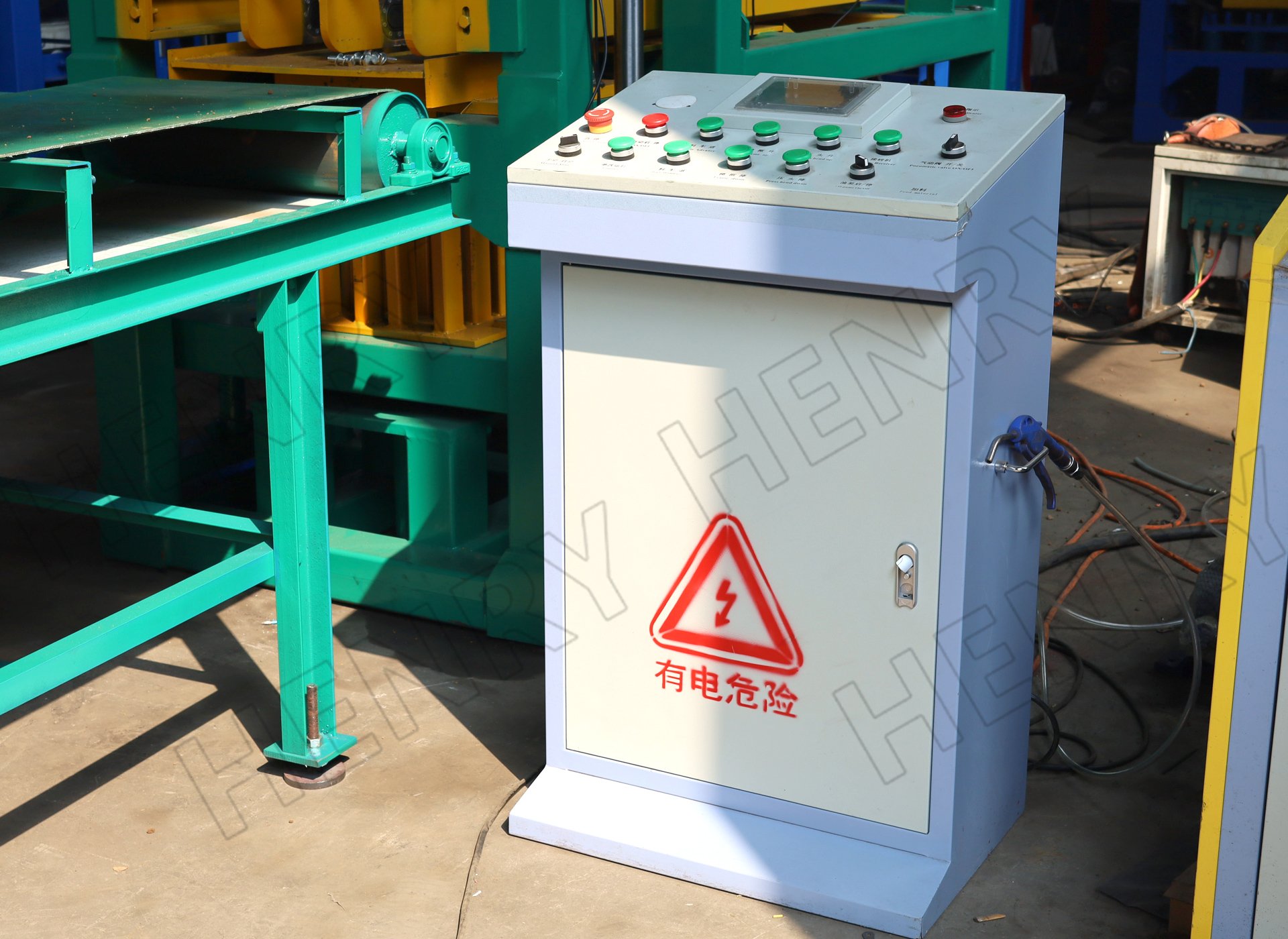
The PLC control cabinet is the "commander" of the HR2-10 hydraform international
The core function of the HR2-10 hydraform international’s PLC control box is to transform the complex brick-making process into a “one-touch” production mode, thereby enabling automated manufacturing. The PLC control cabinet of the HR2-10 block machines features an imported touchscreen with a highly intuitive human-machine interface; the system offers both manual and automatic production modes, greatly simplifying operation.
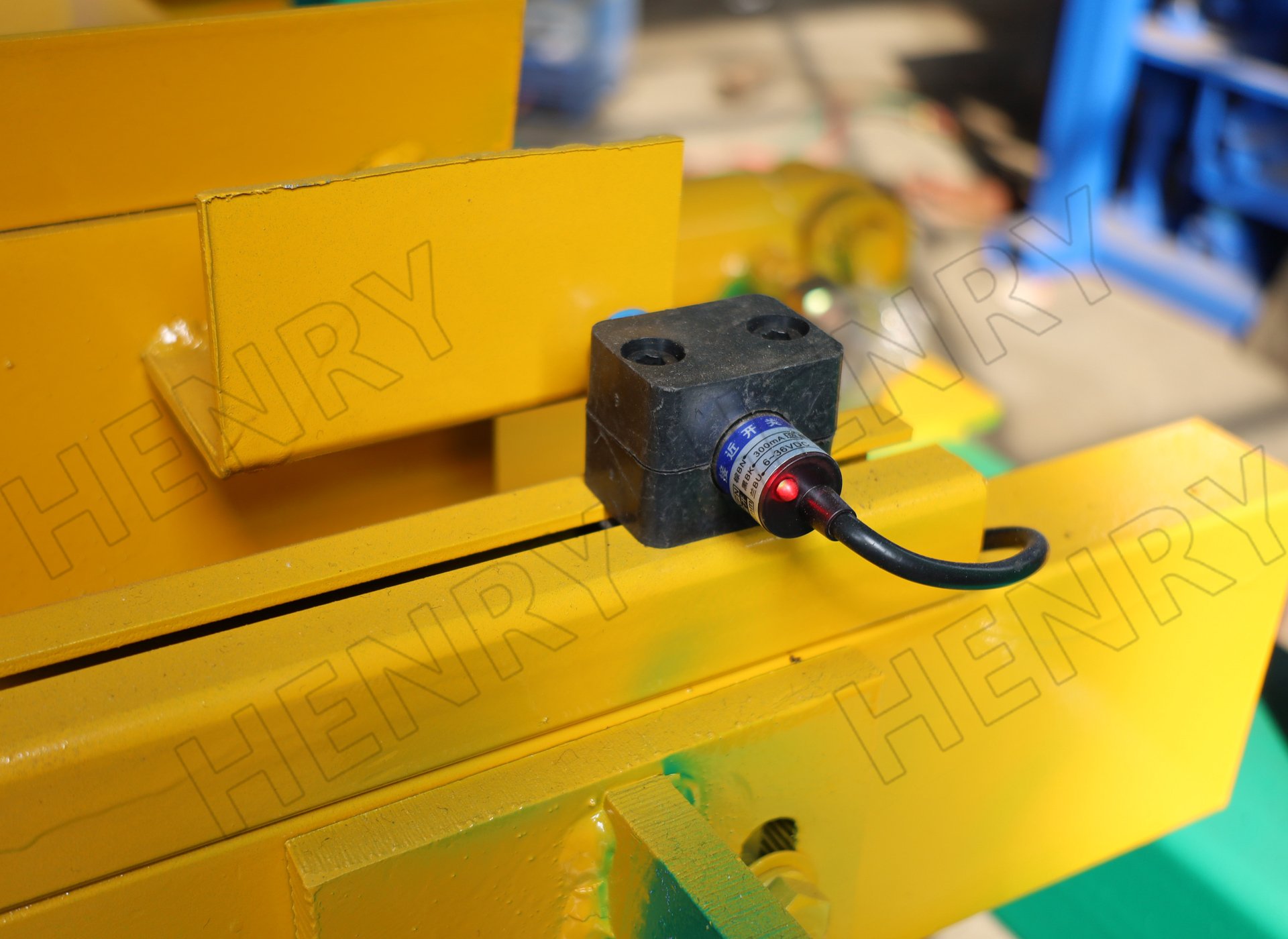
Sensors serve as the "sensory nerves" of the HR2-10 hydraform international's control system.
Acting as the “sensory nerves” of the HR2-10 paver making machine’s control system, the sensors continuously monitor the positional status of various components. They convert this status into electrical signals transmitted to the PLC control cabinet, enabling precise, end-to-end control of the hydraform bricks production process; this ensures that every operational movement is executed with exact precision, resulting in high-precision, safe, and reliable hydraform interlocking bricks production.
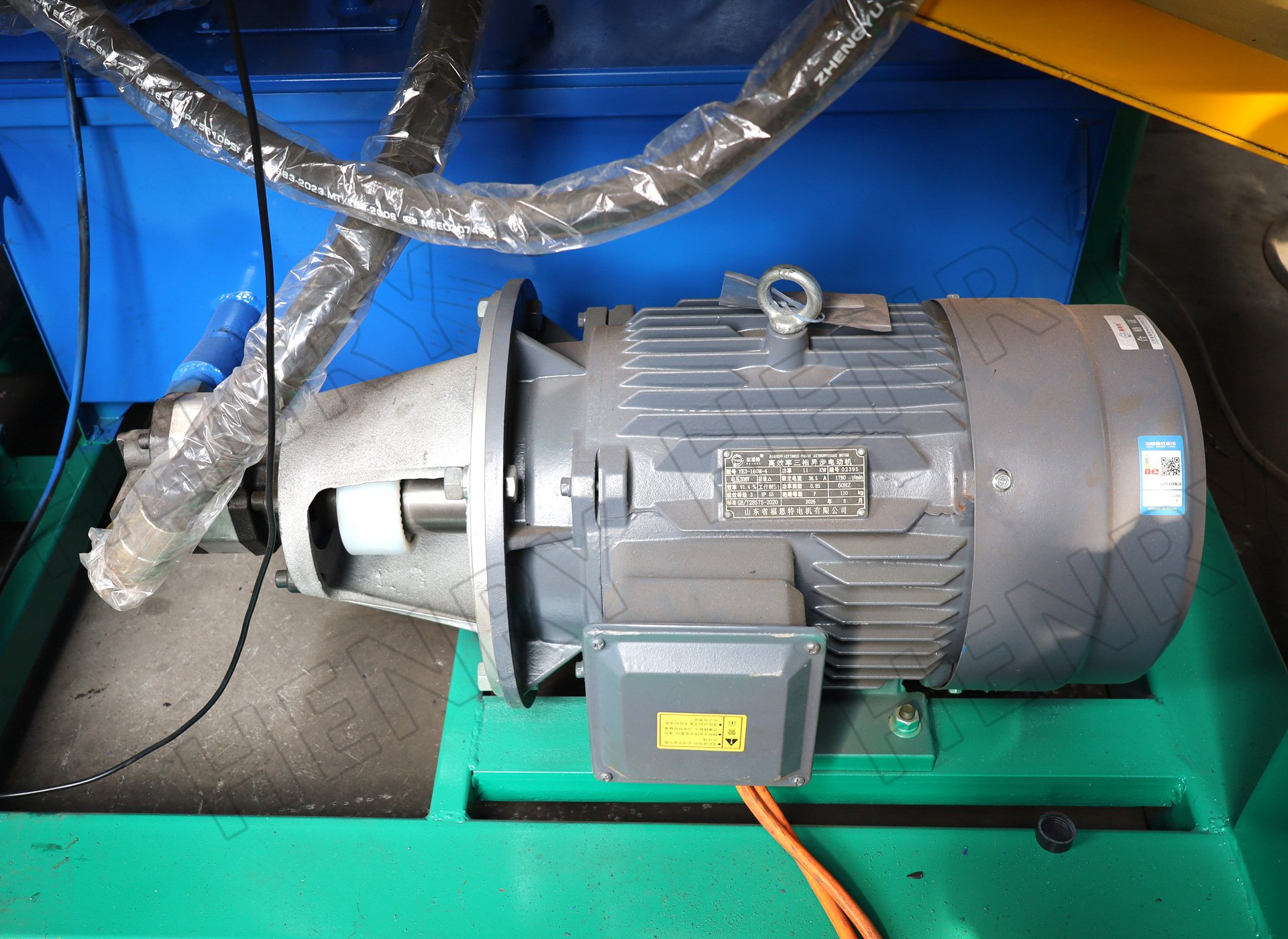
The motor provides the energy for the operation of all core components of the hydraform international
Serving as the “muscular system” of the HR2-10 brick and paver making machine, the motor powers the entire hydraform bricks production process and supplies energy to the hydraulic and electrical systems. The motor features electromagnetic core materials and cast-copper rotor bars—boosting efficiency by 5%—while precision manufacturing and high-quality bearings effectively extend its service life.
HENRY company specializes in producing hydraform international, with more than 20 years of production experience
We can provide fully automatic, semi-automatic, manual, diesel-powered, and movable hydraform bricks machine, which can completely meet the different needs of customers.
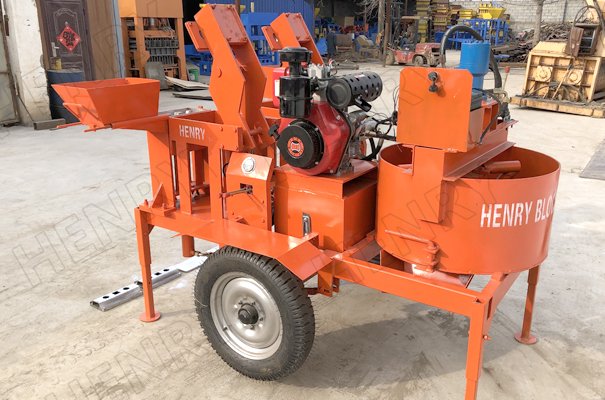
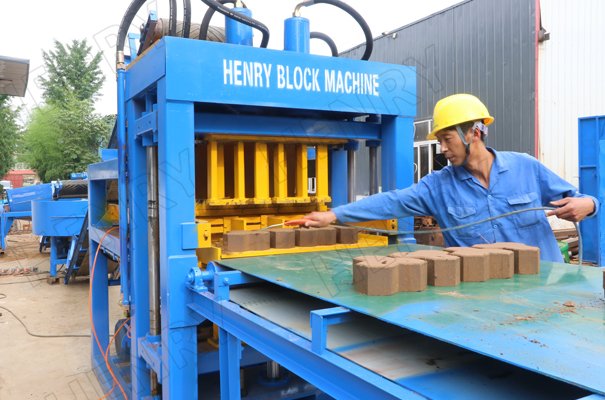
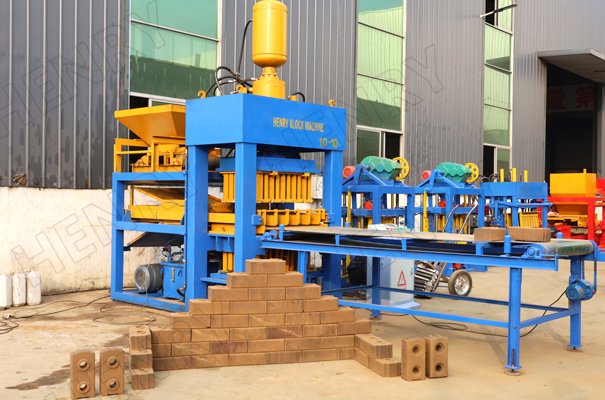
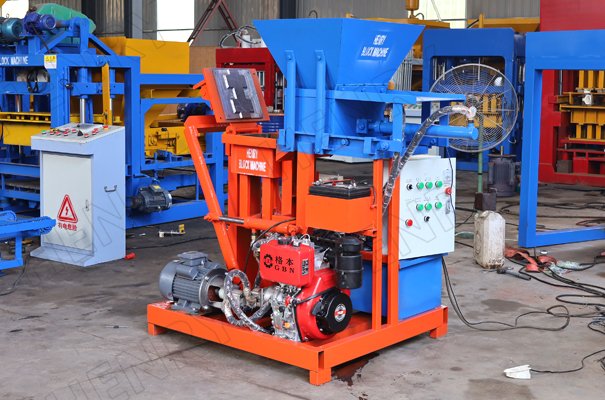
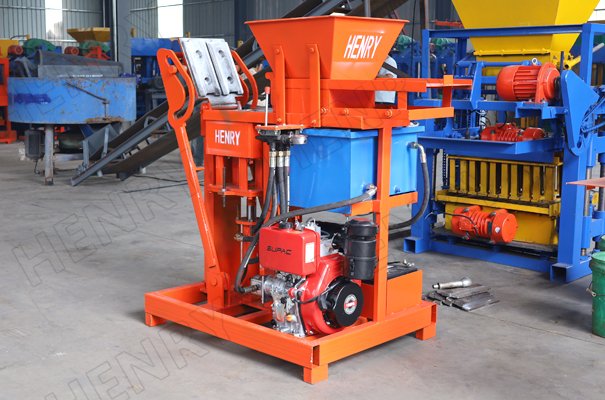

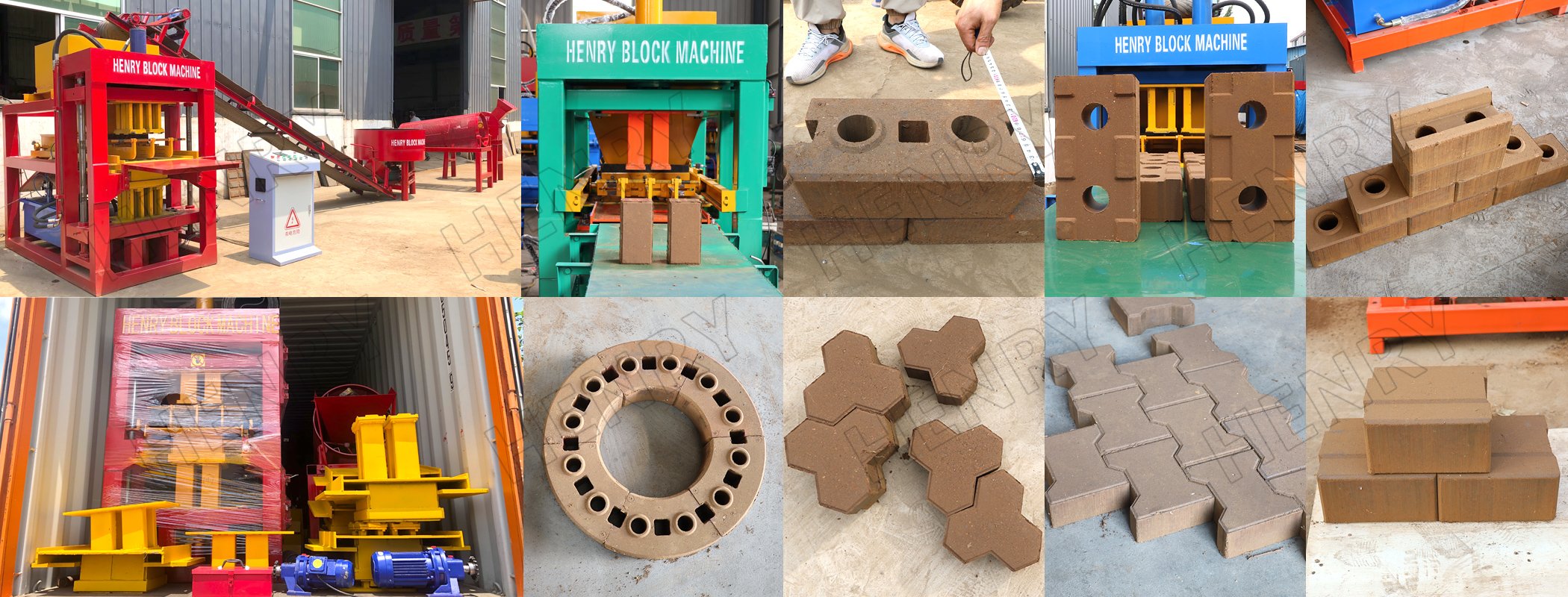
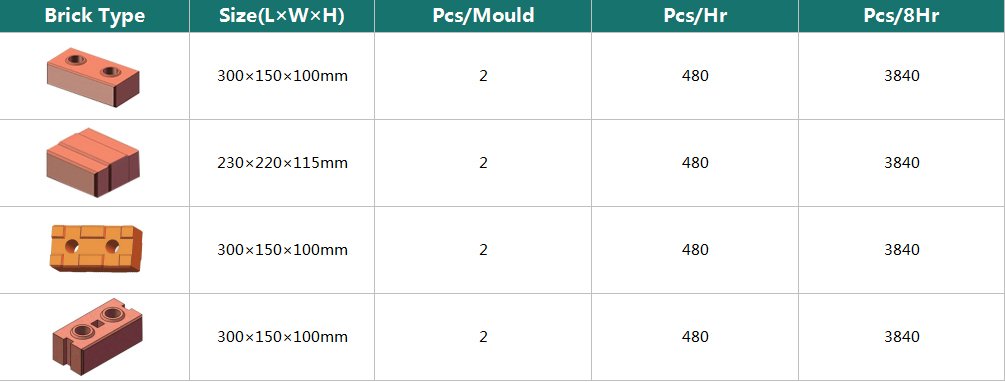
Technical parameters and output display of HR2-10 hydraform international
- Technology datas
- HR2-10 hydraform international production output
| Overall size | 2400*1400*2800mm |
| Shaping cycle | 10-15 seconds |
| Main power | 7.5kw |
| Voltage | 380v/50 hz 3 phase(Adjustable) |
| Production capacity | 700-720 bricks/ per hour |
| Mixer | JQ350 |
| Pressure | 40 tons (adjustable ) |
| Worker | 2-3 workers |
| Block mould | One set for free |
| Total weight | 1400kgs |
| Color | Customizable |
| Machinery Test Report | Provided |
| Raw material | Clay, soil, cement |
| Place of Origin | Shandong |
| Condition | New |
| After-sales Service Provided | Engineers available for service |
| Product name | HR2-10 Hydraform International |
Get More Operation Videos
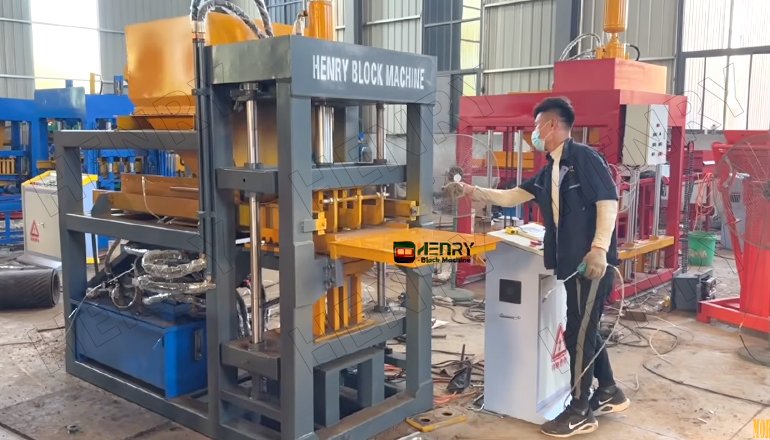
How to produce high-quality hydraform bricks using the HR2-10 hydraform international
1. First, workers excavate clay at the production site and process it using a soil crushing machine and soil sieve machine, breaking the clay down into fine, uniform particles.
2. In the second step, workers pour clay granules, cement, and water into a JQ350 mixer according to a scientifically determined ratio and mix them thoroughly to obtain the clay raw material.
3. The raw clay material is conveyed via a conveyor belt machine into the hopper of the HR2-10 hydraform international machine
4. Automated production—including automatic material feeding, hydraulic molding, and demolding—is achieved via a PLC control cabinet. Once demolded, the hydraform bricks are accurately identified by sensors and conveyed to the discharge platform.
5. Workers are moving the hydraform blocks from the brick discharge platform
Hydraform bricks produced by HR2-10 hydraform international offer comprehensive environmental advantages, ensuring a systematically green building lifecycle that spans raw material sourcing, production, and construction. Regarding raw materials, 90% of the content is locally sourced clay requiring only a small amount of added cement, thereby eliminating the need for large-scale material procurement and transportation. As for the production process, the bricks are formed using hydraulic pressure and cured naturally, requiring no firing. During construction, the bricks’ unique interlocking design allows for a 70% reduction in mortar usage and enables rapid building speeds. Currently, hydraform houses constructed using these hydraform blocks meet various international green building standards, such as LEED and TERI-GRIHA.
The core advantage of fully automatic hydraform international over manual ones lies in the shift from labor-intensive production to program-controlled automation, resulting in comprehensive upgrades in production capacity, product quality, and workforce structure. In manual production, steps such as material feeding, pressing, and demolding rely on the experience and manual operation of workers; in contrast, fully automatic machines utilize precise control via PLC units to automate the process. This not only boosts output but also ensures that every hydraform blocks pdf is manufactured under identical parameters, resulting in highly consistent quality.
There is no standardized schedule for changing hydraulic oil; the frequency depends on factors such as the hydraform bricks machine’s operating intensity, the factory environment, and the quality of the oil itself. For instance, if the machine produces interlocking bricks south africa for eight hours a day, the hydraulic oil typically needs to be changed every five to six months.
Experimental data indicate that increasing the cement content does indeed enhance the strength of hydraform interlocking bricks; however, the relationship is not simply linear but rather exhibits a “diminishing returns” effect. Typically, the strength of hydraform bricks is 4 MPa with a cement content of 4%–6%, 7 MPa with 7%–9%, and 10 MPa with 10%.
There is no strict upper limit on the number of molds that can be used with an HR2-10 hydraform international; options include molds for standard brick types as well as custom-designed molds. The machine comes with one mold as standard, and customers can select the types and quantities of molds based on local market conditions, their own production requirements, and business plans.
Thanks to their unique interlocking design, walls constructed from hydraform bricks possess superior structural integrity and inherent seismic resistance. Hydraform houses built with hydraform blocks are safe and reliable in areas of low seismic activity; however, in regions prone to high-intensity earthquakes, structural reinforcement—such as the inclusion of structural columns and ring beams—is required. According to the Gujarat State Disaster Management Authority (GSDMA), reinforced hydraform houses of this type can withstand the impact of strong earthquakes.
 English
 Russian
 Spanish
 Arabic
 French