


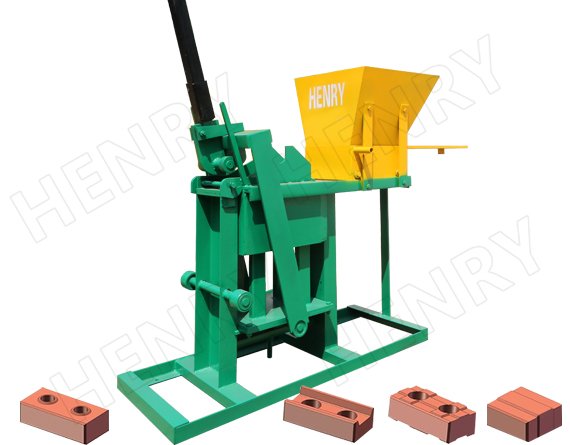
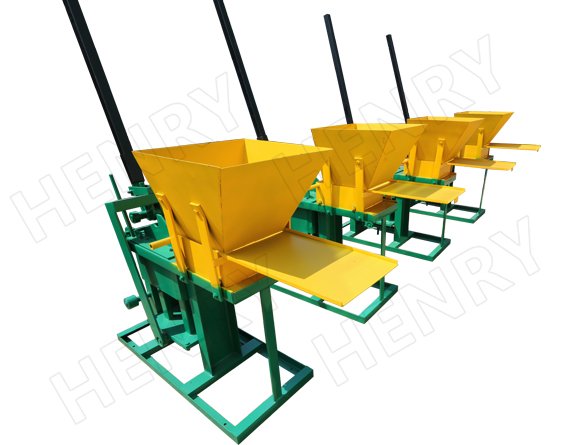
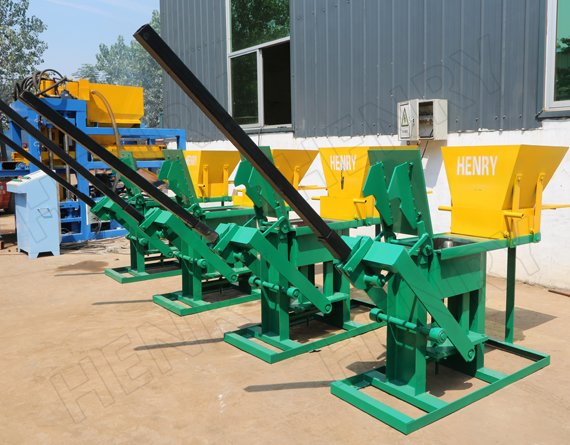
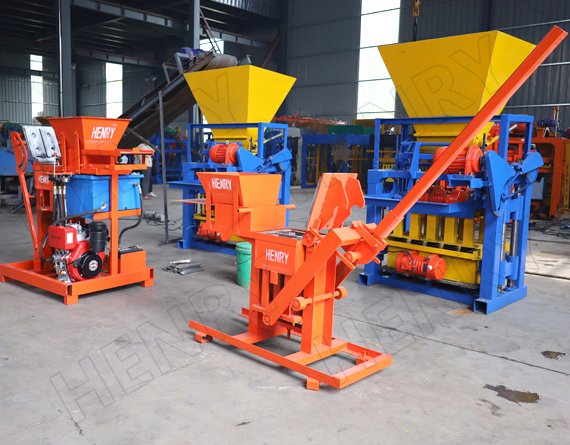
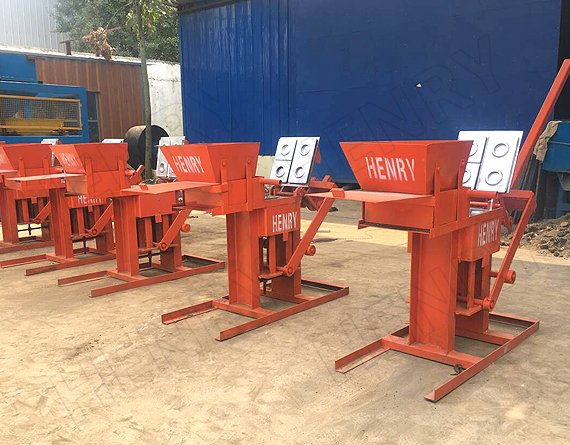
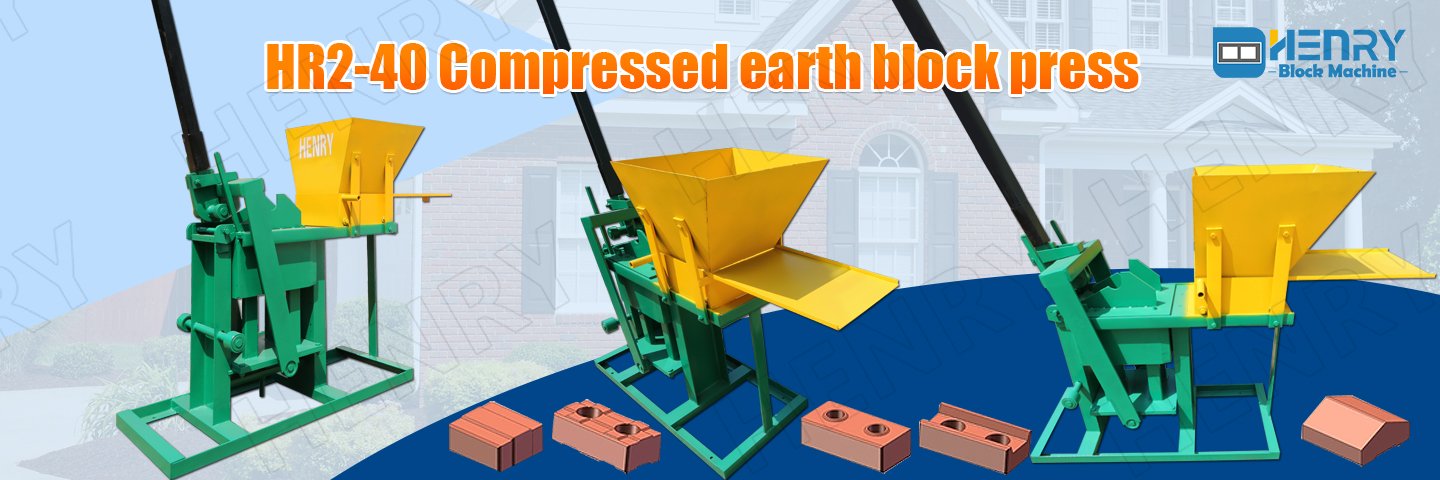
Manual HR2-40 compressed earth block press—requires no electricity or diesel power
The core advantage of the HR2-40 compressed earth block press is that it allows access to the vast construction market at an extremely low cost. Unlike large-scale, fully automated earth block machine systems, the HR2-40 compressed earth block machine requires an investment of only a few hundred US dollars. Furthermore, the production process—which involves pressing clay into standard-sized bricks—relies solely on manual labor, eliminating the need for electricity or diesel fuel. The HR2-40 compressed earth block press primarily uses clay as the raw material, resulting in very low production and operating costs for the brickyard. Furthermore, the machine operates silently and requires minimal space—production can even take place in a private courtyard without disturbing the neighbors.
What are the main advantages of the HR2-40 compressed earth block press?
Clay bricks produced by the HR2-40 compressed earth block press enjoy broad market prospects. The global valuation of clay bricks reached $800 million in 2025 and is trending upward year by year; the market value is projected to exceed $1.5 billion by 2035. Currently, clay brick technology is seeing significant activity in countries such as Kenya, Ghana, and Tanzania. Clay bricks produced by the HR2-40 earth block machine are eco-friendly; they are made primarily from clay using a manual production process that requires no firing. The entire production workflow is environmentally friendly and sustainable. This production method has garnered support from the United Nations and the governments of various African nations, which actively promote and encourage the use of these building materials. At present, the application of clay bricks produced by the HR2-40 hydraulic compressed earth block machine has expanded beyond simple residential construction into diverse areas such as community developments and hospitals, demonstrating immense potential.
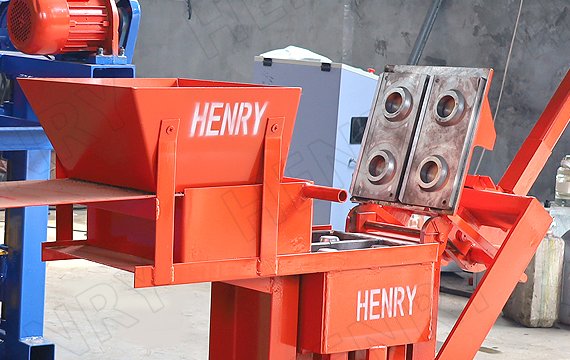
The HR2-40 compressed earth block press is incredibly simple to operate: workers merely pour the prepared clay raw material into the mold box and firmly press the lever to apply pressure, rapidly forming high-density, standard-sized clay bricks in a seamless, continuous process. Thanks to its intuitive mechanical design, the machine requires no specialized manufacturing experience; workers can begin production after only brief training. Furthermore, the HR2-40 interlocking compressed earth block machine operates without the need for electricity or diesel fuel, making it ideal for remote rural areas where it can be transported to any location for brick production. With dimensions of 900 x 500 x 2000 mm and a weight of 280 kg, the machine is compact and easy to transport.
With its minimalist design, lack of a powered drive system, and zero-energy operation, the HR2-40 compressed earth block press stands out as the most cost-effective brick-making machine available. Its streamlined construction eliminates the need for electric motors, diesel engines, batteries, hydraulic systems, or electrical circuitry; built entirely from robust steel, it minimizes costs right from the source. Furthermore, the HR2-40 compressed earth block manual press boasts low operating costs. It utilizes clay as its primary raw material—sourced directly from the construction site—eliminating the need for purchasing or transporting materials. The production process consumes no energy, and the finished clay bricks require only natural curing. Finally, maintenance is remarkably simple, requiring nothing more than routine cleaning and lubrication.
Technical Data
- Tab1
Specification Parameter
| Overall size | 900*500*2000(mm) |
| Shaping cycle | 40s-45s |
| Production Capacity | 120-150per Hour |
| Mold replaced | Yes |
| OEM | Yes |
| Mold treatment | Carburizing treatment |
| Worker | 1Worker |
| Block mould | One set for free |
| Total weight | 280kg |
| Color | Customizable |
| Machinery Test Report | Provided |
| Raw material | Clay, soil, mud, cement |
| Place of Origin | Shandong |
| Condition | New |
| After-sales Service Provided | Engineers available to service |
| Product name | HR2-40 compressed earth block press |
| Warranty of core components | 1 year |
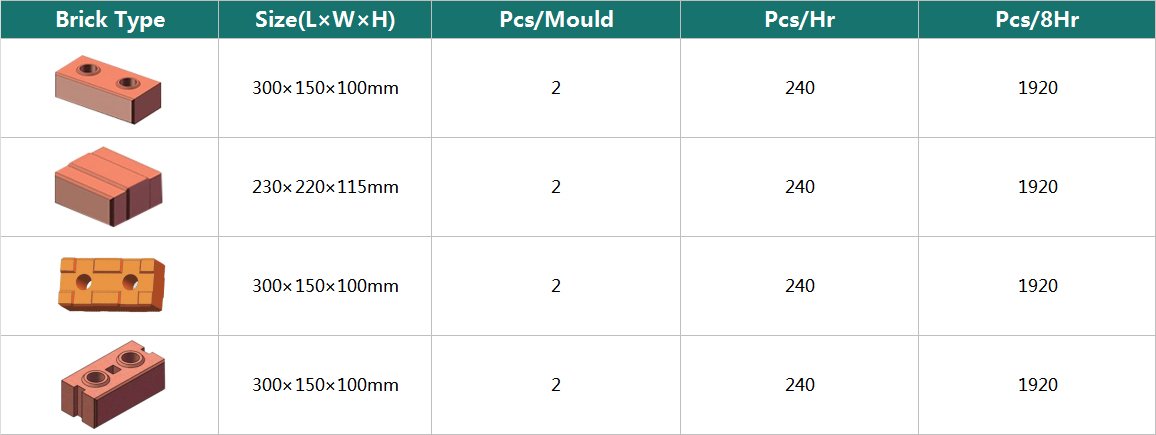
HR2-40 compressed earth block press production capacity:
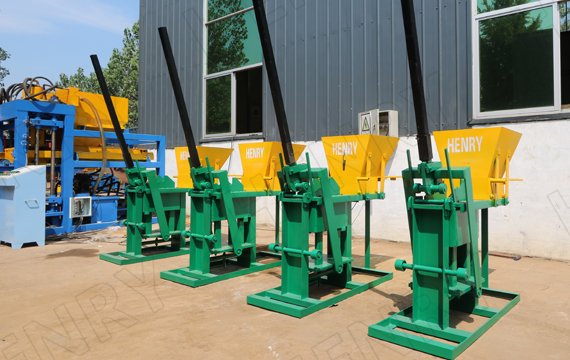
Reasons why manual HR2-40 compressed earth block press is becoming more and more popular
01.Strength steel plate
Durability is a key performance indicator for the HR2-40 compressed earth block press. To ensure reliable operation under the harsh conditions found in remote areas or locations with limited maintenance facilities—including extreme heat or cold—we utilize high-quality, thickened steel plates that meet national standards. This choice of material guarantees the exceptional robustness of the machine’s frame and main structure, which is crucial for ensuring long-term, stable operation and continuously creating value for our customers.
02.Block mould
As the core component of the HR2-40 compressed earth block manual press, the mold ensures the precise and uniform dimensions of the clay bricks produced. Only bricks with such precision can interlock perfectly during construction to form a robust, interlocking structure; thus, the mold is a decisive factor in the product value of the HR2-40 compressed earth block press. The HR2-40 earth block machine supports a wide range of mold sizes and types, enabling the production of various brick models. This versatility allows the machine to adapt flexibly to local market demands, diversify product offerings, enhance competitiveness, and generate greater profits.
03.Professional sales and service team
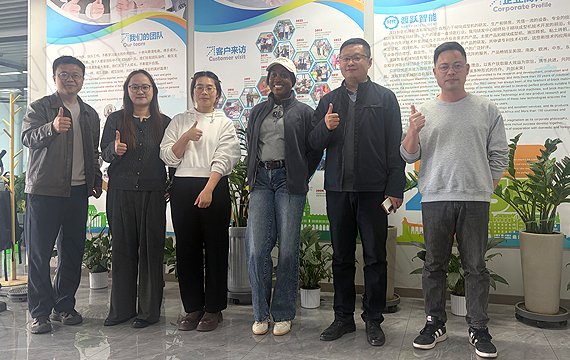
When customers purchase the HR2-40 compressed earth block press, they are acquiring more than just a piece of machinery; the process involves addressing various factors such as local soil analysis, raw material mix ratios, machine operation and maintenance, and clay brick curing. Our sales team leverages its professional expertise to provide customers with a comprehensive solution. We maintain long-term partnerships with our clients, helping them maximize product value and empowering their success.
04.Advanced manufacturing processes
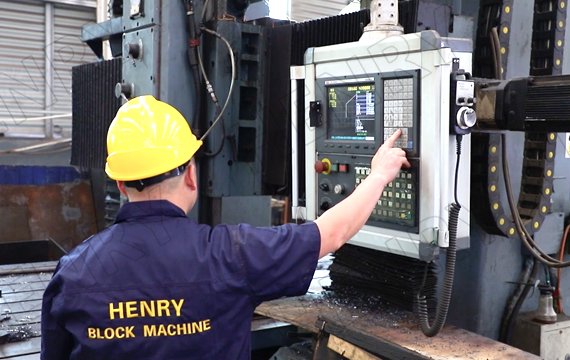
By integrating mature industrial production technology with materials science, our engineers designed the HR2-40 compressed earth block press. It features a streamlined mechanical structure that enables the stable and efficient manual production of clay bricks. Built with high-quality materials and utilizing advanced manufacturing processes—such as laser cutting and heat treatment—the HR2-40 compressed earth block machine is the result of continuous innovation, delivering brick-making equipment that ensures customer satisfaction.
What are the main features of the HR2-40 compressed earth block press?


Construction workers use soil bricks produced by HR2-40 earth block machine to build compressed earth block house
- Real pictures from the scene

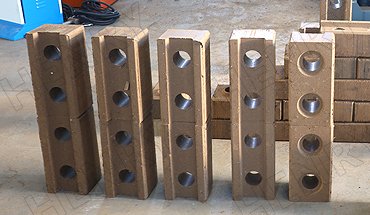
Some clay soil bricks pictures and parameters (6)
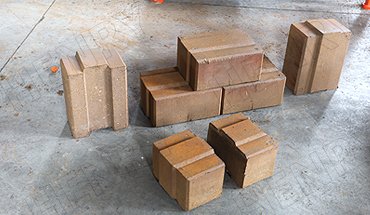
Size:230×220×115mm
2 pieces per mould
240 pieces per hour
1920 pieces per 8 hours
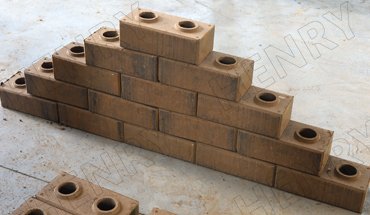
Size:300×150×100mm
2 pieces per mould
240 pieces per hour
1920 pieces per 8 hours
Size:300×150×100mm
2 pieces per mould
240 pieces per hour
1920 pieces per 8 hours

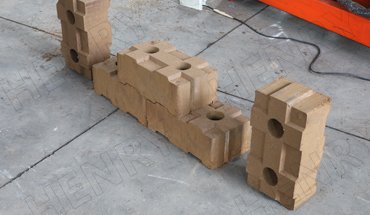
Size:225×112.5×60mm
2 pieces per mould
240 pieces per hour
1920 pieces per 8 hours
Size:300×150×100mm
2 pieces per mould
240 pieces per hour
1920 pieces per 8 hours

Size:150×150×100mm
4 pieces per mould
480 pieces per hour
3840 pieces per 8 hours
HR2-40 compressed earth block press can produce different clay soil bricks types
How to operate the manual HR2-40 compressed earth block press to produce clay bricks
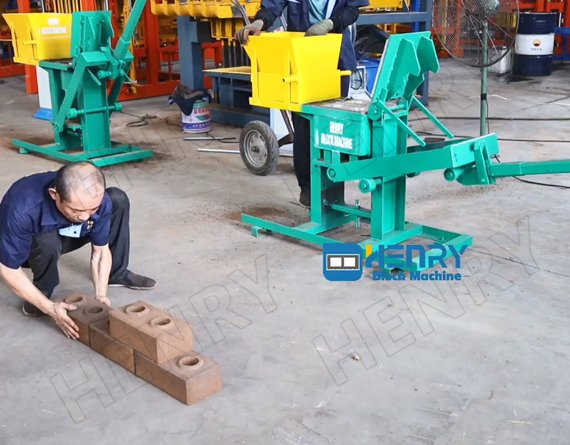
First, the raw materials are prepared: workers mix clay, cement, and water in the required proportions. The resulting mixture is then poured into the mold box of the HR2-40 compressed earth block press; workers push and pull the mold box back and forth to ensure the clay mixture fully fills the machine’s lower mold. Next, the workers manually close the mold and firmly press down on the HR2-40 compressed earth block press for sale’s lever to compress and shape the clay mixture. After the brick is formed and released from the mold, the workers transport the finished clay brick to the curing area.
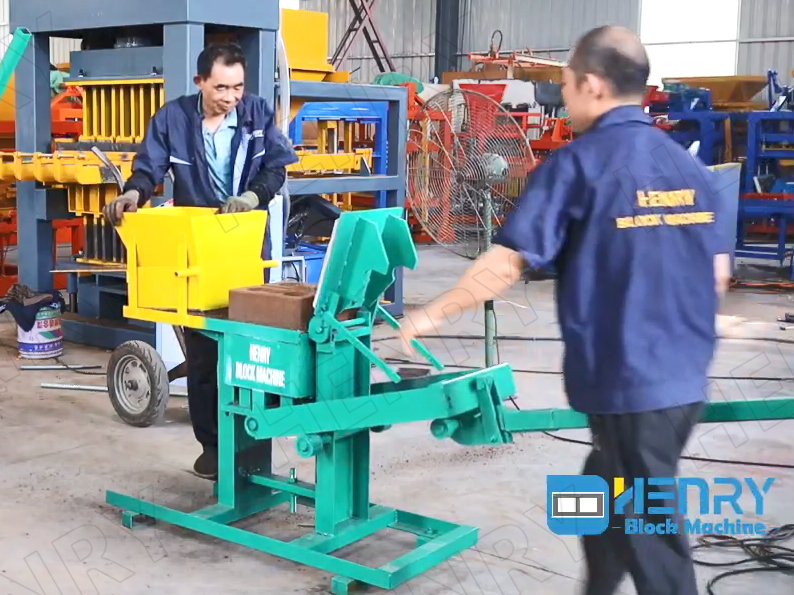
Customer case studies for the HR2-40 compressed earth block press

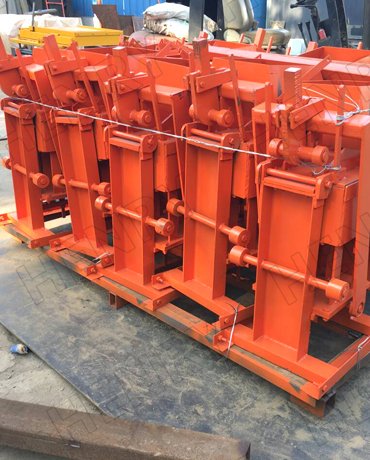
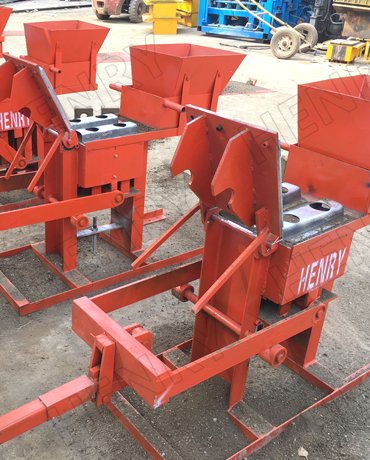
HR2-40 compressed earth block press What other supporting equipment is needed for a complete production line (5)
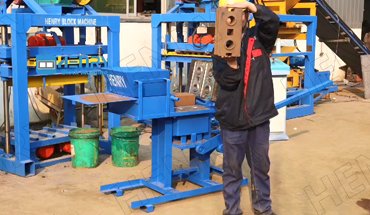
Overall size 900*500*2000(mm) Shaping cycle 40s-45s Production Capacity 120-150per Hour Mold replaced Yes OEM Yes Mold treatment Carburizing treatment Worker 1Worker Block mould One set for free Total weight 280kg 
Overall size 1500*800*1500mm Max.feeding size 300*400mm Power 5.5kw Capacity 7-10 ton Total weight 320kgs 
Power 0.75kw Capacity 7-10 ton Hole diameter 4mm Total weight 350kgs Dimension 1500*800*1200mm 
Mixing Motor Power 5.5kw Production Capacity 16m³/h Feed Capacity 350L Efficiency ≥15m³/h Rotating Speed Of Stirring Blade 35r/min Maximum Particle Size Of Bone Particles 8mm/6mm Reducer Model 315 
Weight 150kgs Size 4000*700*400mm Motor power 1.5kw Belt type “V”type Speed 1.5m/second
Compressed earth blocks produced by the HR2-40 compressed earth block press are an innovative, eco-friendly, and cost-effective building material. They are primarily made from clay—mixed with small amounts of cement and water—and formed through the application of pressure. Unlike traditional fired bricks, these compressed earth blocks feature a unique interlocking design; as the name implies, they fit together like puzzle pieces. This interlocking mechanism creates a tightly connected, highly robust wall structure while offering advantages such as rapid construction, fire resistance, and thermal and acoustic insulation.
A wide variety of brick shapes and types is available to meet diverse customer needs. This compressed earth block technology is currently utilized in over 80 countries worldwide for the construction of residential homes, earth block house, communities, hospitals, schools, and other facilities. As an economical and environmentally friendly building material, this technology is poised to play an increasingly important role amidst accelerating global urbanization, rising costs of traditional building materials, and housing shortages.
The fundamental difference between compressed earth blocks and traditional fired bricks lies in their production processes and construction methods. Compressed earth block are produced via hydraulic pressing and assembled using an interlocking stacking method, whereas traditional fired bricks are manufactured through high-temperature firing and laid using mortar. Compressed earth blocks produced by the HR2-40 compressed earth block press are formed through physical compression and cured naturally, eliminating the need for the energy-intensive high-temperature firing required for traditional bricks. Furthermore, these compressed earth block offer simple, rapid construction and require less mortar, resulting in total construction cost savings of approximately 30%.
Cement is added to the raw materials for the clay bricks produced by the HR2-40 compressed earth block press; following the hydration reaction, the bricks achieve a strength of 8–15 MPa. International building codes require a minimum strength of 4 MPa for house walls and 7 MPa for exterior walls; clearly, the bricks produced by the HR2-40 earth block machine meet these international standards. Furthermore, due to their interlocking design, the bricks enhance the structural integrity and seismic resistance of the buildings constructed with them.
Walls constructed using clay bricks made by the HR2-40 compressed earth block press generally do not require plastering or painting and can be left in their natural state; the bricks feature smooth surfaces and beveled edges, offering an aesthetically pleasing and textured appearance. Of course, if a client prefers a specific color or wishes to enhance the wall’s waterproofing capabilities, the surface can be painted or plastered.
The first step in producing clay bricks with the HR2-40 compressed earth block press is to source suitable clay. Priority should be given to locally available materials, while avoiding topsoil; topsoil contains impurities such as tree roots, weeds, and organic matter, so we recommend using subsoil found at a depth of more than one meter below the surface. Across the African continent—in countries such as Kenya, Tanzania, and Ghana—there are abundant deposits of red clay, which is one of the best raw materials for brick production.
A smooth, hardened concrete surface ensures that the raw clay material remains clean and free from soil contamination. Furthermore, such a surface facilitates the operation of the HR2-40 compressed earth block press and provides stable support for the finished clay bricks, preventing the ground from absorbing internal moisture—which could otherwise cause the bricks to crack as they dry. Operating the HR2-40 earth block machine and curing the clay bricks on a hardened concrete surface is a critical operational standard.
The results are outstanding. Clay bricks produced by the HR2-40 compressed earth block press offer excellent thermal insulation properties, helping to regulate indoor temperatures. Their thermal insulation efficiency is three times that of concrete bricks and twice that of traditional fired bricks, keeping the home cooler in summer and warmer in winter for greater comfort.
 English
 Russian
 Spanish
 Arabic
 French