



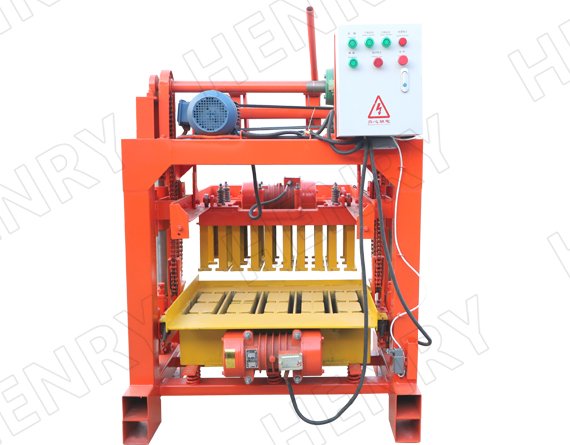
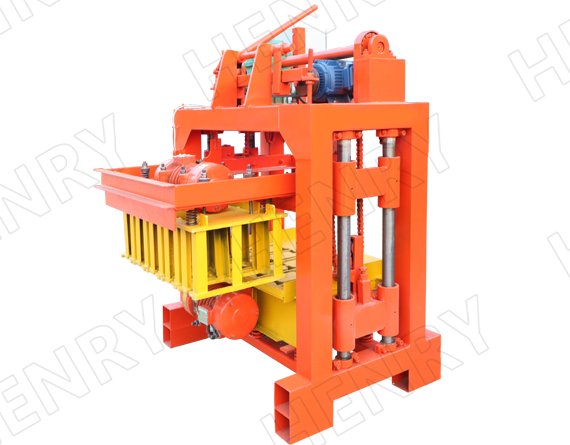

Easy-to-operate QT4-40B cement block production machine with an electrical control box
The key advantages of the QT4-40B cement block production machine are its low price, inclusion of an electrical control box, and ease of operation, all of which simplify concrete brick production and boost efficiency. Our engineers upgraded and improved upon standard block making machine designs to create the QT4-40B cement block production machine. It features a compact, fully functional design that allows for flexible relocation of the production site. Versatile and capable of producing a wide range of products, it eliminates the need for complex site preparation or large-scale factory construction. We streamlined the machine’s operation, enabling even workers with no prior experience to get up to speed quickly—making it an ideal choice for family-run ventures and small construction teams. Customer feedback indicates that the initial investment in the QT4-40B cement block making machine can be recouped in as little as three months, after which the business begins to generate profit.
What are the unique advantages of the QT4-40B cement block production machine?
First, the QT4-40B cement block production machine offers a low barrier to entry and a quick return on investment. The QT4-40B cement block production machine is a piece of machinery that uses vibration molding to produce various types of concrete bricks from raw materials such as cement, sand, and fly ash. As a small, manually operated machine, it comes at a very attractive price point, with an initial investment cost far lower than that of fully automatic concrete brick-making systems. Furthermore, the QT4-40B block machine has minimal site requirements; it does not necessitate complex foundations or large factory buildings, which significantly reduces the customer’s upfront investment. This low investment allows customers to recoup their costs quickly and start generating profit sooner.
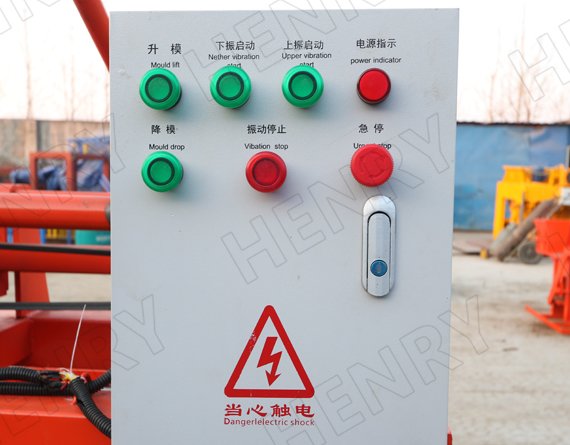
Secondly, it is easy to operate and highly adaptable. The QT4-40B cement block production machine simplifies the complex process of concrete brick production into a straightforward workflow that anyone can manage. Workers manually handle material filling and mold closing, while using the PLC control box to manage operations such as vibration molding and demolding. The process is simple and the operation is easy to master; a single worker can handle the entire production cycle, making the QT4-40B cement block making machine price an excellent choice for home-based workshops or individual entrepreneurs.
Third, the machine is versatile and features mature, reliable technology. To meet local market demands, customers purchasing the QT4-40B cement block production machine can select from various molds to produce different types of bricks, including concrete hollow blocks, paving stones, and solid bricks. The QT4-40B block making machine is a classic model built on mature engineering; it utilizes high-quality steel and components, along with a robust design featuring four-column guidance and channel-steel supports. Core components, such as the vibrator and molds, come with a one-year warranty.
Technical Data
- Tab1
Specification Parameter
| Overall Size | 1580*1100*1800mm |
| Shaping Cycle | 40-45 seconds |
| Pallet Size | 850x550x20mm (fiber pallet) |
| Speed | 2800 r.pm |
| Upper Vibrator | 2.2KW |
| Nether Vibrator | 4.4kw |
| Electricity | 380V/220V (adjustable) |
| Total Weight | 1300kgs |
| Capacity | 3000-6000pcs/8hr |
| Workers | 1-2 workers |
| Block mould | One set for free |
| Warranty of core components | 1 year |
| Color | Can be customized |
| Machinery Test Report | Provided |
| Place of Origin | Shandong |
| Raw material | Fly Ash Cement Sand Concrete |
| Condition | New |
| After-sales Service Provided | Engineers available to service |
| Product name | QT4-40B cement block production machine |
| Warranty of core components | 1 year |
| Applicable industries | Building Material Shops, Construction works |
QT4-40B cement block production machine capacity:

What advanced technologies and accessories are used to produce QT4-40B cement block production machine?

01.cement block production machine vibrator
The vibrator is a key component of the QT4-40B cement block production machine, playing a decisive role in the final quality of the concrete bricks produced. The vibrator of the QT4-40B cement block production machine operates by utilizing high-frequency vibration to rapidly densify the concrete raw materials within the mold, expel air, and facilitate quick molding, thereby producing high-quality concrete bricks. The vibrator of the QT4-40B cement block making machine is mounted directly onto the mold, ensuring that the vibration force is direct and concentrated.
02.Hollow block mold
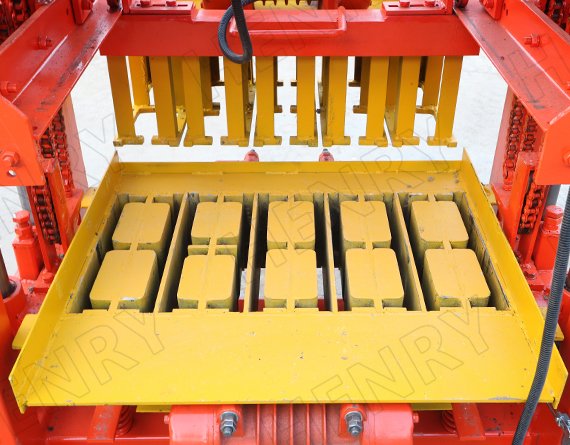
The mold assembly for the QT4-40B cement block production machine consists of an upper mold (press head) and a lower mold box; it transforms loose concrete raw materials into concrete bricks with uniform, standardized dimensions. The mold determines key parameters such as the brick’s length, width, height, and the size and number of its voids. To ensure the strength of the QT4-40B block making machine mold, we utilize high-strength, wear-resistant steel. The manufacturing process involves wire-cut machining and vacuum carburizing heat treatment, followed by quenching and tempering, resulting in a mold hardness of HRC 57–62.


03.PLC controller box
The PLC controller box of the QT4-40B cement block production machine utilizes a programmable logic controller (PLC) to execute operations—such as vibration molding and demolding—based on preset programs when the operator presses the control buttons. By precisely controlling vibration duration, it ensures consistent quality for every concrete brick produced. The PLC controller box of the QT4-40B cement block production machine not only ensures the molding quality of concrete bricks but also simplifies the production process and guarantees production safety.
04.Branded motor
The motor of the QT4-40B cement block production machine converts electrical energy into mechanical energy to drive the lifting of the upper mold; this reduces the physical strain on workers, simplifies the production process, and boosts production efficiency. The motor selected for the QT4-40B block making machine features a superior energy efficiency rating and robust construction. It utilizes increased copper winding and an optimized structural design, achieving energy efficiency levels 30% higher than standard motors; furthermore, it complies with rigorous international quality standards, ensuring greater safety and reliability.


05.Guide column
The core function of the guide column of the QT4-40B cement block production machine is to ensure the precise positioning of the mold. The upper and lower molds of the QT4-40B cement block production machine will slide up and down along the guide pillars, which are like “rails” set for the molds to slide up and down to ensure accurate operation. The guide column of the QT4-40B block making machine is made of super-strong special steel. The surface is hard chromium plated, which is very wear-resistant, has very high hardness, and does not deform.
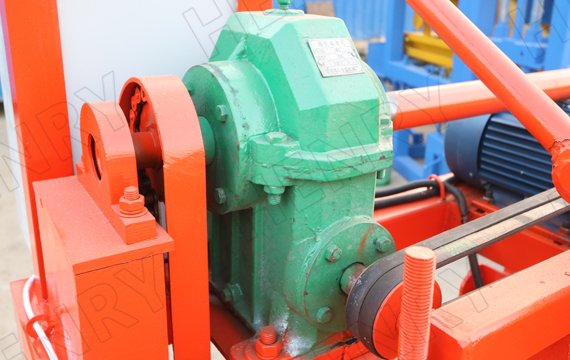
06.Reducer
In the process of producing concrete bricks by the QT4-40B cement block production machine, the reducer acts as a “power converter” and works as a partner with the motor. The reducer can convert the high-speed, low-torque power of the motor into low-speed, high-torque power to achieve continuous production of concrete bricks and ensure the continuity of the production process.
What are the main advantages of the QT4-40B cement block production machine







Workers build a house with Concrete hollow blocks at the construction site
- Real pictures from the scene
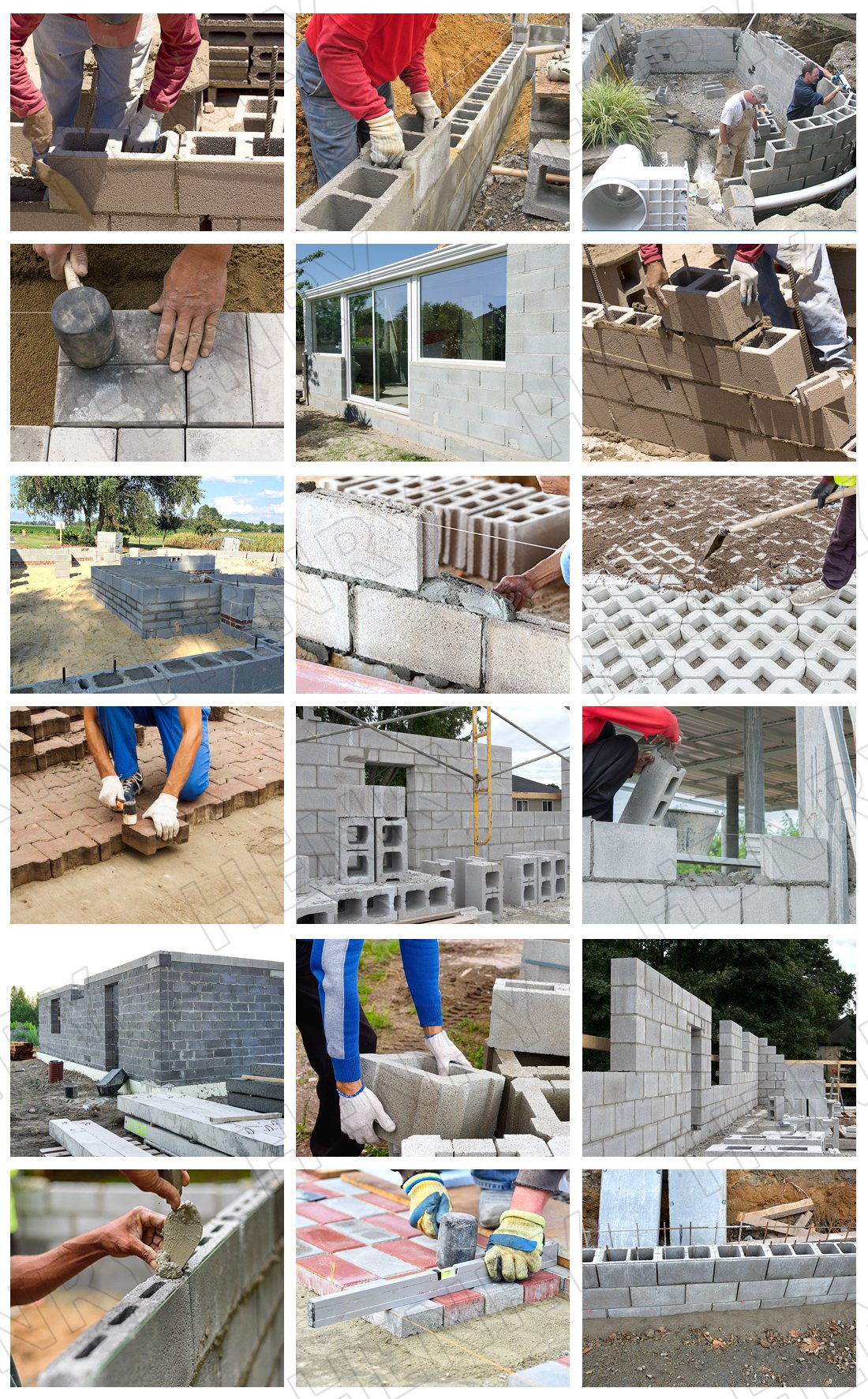
Some concrete blocks pictures and parameters (6)

Size:400×200×200mm
4 pieces per mould
360 pieces per hour
2880 pieces per 8 hours

Size:400×150×200mm
5 pieces per mould
450 pieces per hour
3600 pieces per 8 hours

Size:400×100×200mm
7 pieces per mould
630 pieces per hour
5040 pieces per 8 hours
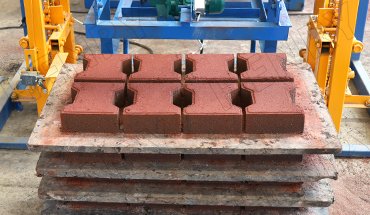
Size:200×163×60mm
8 pieces per mould
720 pieces per hour
5760 pieces per 8 hours

Size:200×100×60mm
14 pieces per mould
1260 pieces per hour
10080 pieces per 8 hours

Size:225×112.5×60mm
12 pieces per mould
1080 pieces per hour
8640 pieces per 8 hours
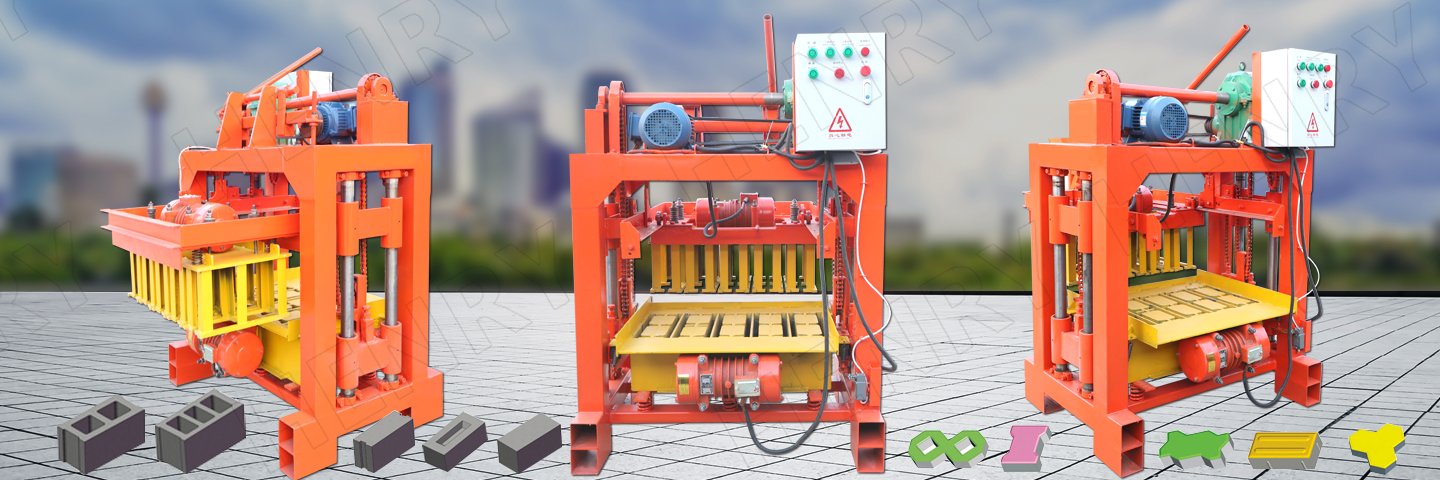
How workers can correctly operate the QT4-40B cement block production machine to produce concrete bricks.
First, workers load raw materials—such as sand, cement, fly ash, small aggregates, and water—into the JQ350 mixer in the required proportions and mix them for 2–3 minutes. Next, using shovels, they fill the mixed concrete material into the lower mold box of the QT4-40B cement block production machine and manually close the mold. Then, the workers operate the QT4-40B cement block making machine’s PLC control panel to activate the vibrator and achieve vibration molding. Finally, they use the PLC control panel to trigger the demolding process and transport the molded concrete bricks to the curing area using a small cart.

Photos regarding the shipment and customer receipt of the QT4-40B cement block production machine
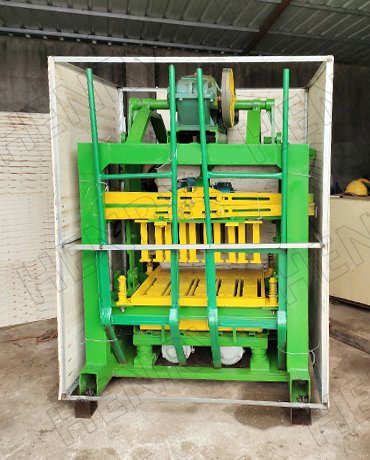


QT4-40B cement block production machine What other supporting equipment is needed for a complete production line (4)

Overall Size 1580*1100*1800mm Shaping Cycle 40-45 seconds Pallet Size 850x550x20mm (fiber pallet) Speed 2800 r.pm Upper Vibrator 2.2KW Nether Vibrator 4.4kw Electricity 380V/220V (adjustable) Total Weight 1300kgs Capacity 3000-6000pcs/8hr 
Mixing Motor Power 5.5kw Production Capacity 16m³/h Feed Capacity 350L Efficiency ≥15m³/h Rotating Speed Of Stirring Blade 35r/min Maximum Particle Size Of Bone Particles 8mm/6mm Reducer Model 315 
Raw Material fiber and flax Bending Strength more than 60N/mmˆ2 Flexural Modulus more than 4.5*10ˆ3Mpa Impact Strength more than 60KJ/mˆ2 Temperrater tolerance 80-100℃ Thickness 15-50 mm At customer’s request Width/Length At customer’s request 
Size 2400*1000*1300mm Power 2.2KW Voltage 12V*4pcs Working hours 10 hours Operation Electro hydraulic Advantage Strong climbing ability
The primary advantages of the forward-reverse switch are its simple, straightforward structure, intuitive operation, ease of wiring, and low failure rate. The PLC control system featured on the QT4-40B cement block production machine offers high safety, robust stability, comprehensive functionality, and professional reliability; it allows for programmable vibration timing, where pressing a button on the control box triggers the PLC to issue commands that drive the motor and vibrator. Thus, both the forward-reverse switch and the PLC control system share the benefits of simple operation and high safety, and both represent advanced configurations.
Nowadays, cement block manufacturing companies in Africa—particularly in countries like Ghana and Kenya—increasingly favor the QT4-40B cement block production machine. One reason is its cost-effectiveness: it is affordable, requires minimal auxiliary equipment, and has a small footprint, allowing concrete bricks to be produced in a home courtyard without the need for a large factory building. Another reason is its ease of operation; equipped with a PLC control box, the machine is straightforward to use, eliminating the need to hire specialized brick-making personnel, as workers can quickly master the cement block manufacturing process.
The simplest and most direct method to determine whether the moisture content of the concrete raw materials for the QT4-40B cement block production machine is appropriate is the “hand-squeeze test.” The procedure is as follows: the worker grabs a handful of the raw material and squeezes it firmly to form a clump. Upon releasing the hand, the worker observes the state of the material. If the clump remains intact and leaves no trace of water on the hand, the moisture content is optimal—an ideal state. If the material fails to form a clump, the moisture content is too low; conversely, if water drips significantly from the hand, the moisture content is too high.
First, check the fasteners on the QT4-40B cement block production machine for any looseness and tighten them promptly; these include the mounting bolts for the mold, motor, and vibrator, as well as the anchor bolts. Second, thoroughly clean out any concrete raw materials from the mold of the QT4-40B block making machine on a daily basis. Third, apply lubricant as needed to critical components such as the guide pillars and bearings of the QT4-40B cement block making machine. Fourth, regularly inspect the wiring and terminals of the QT4-40B block machine’s PLC control system to ensure they are secure and free from damage.
First, ensure a scientifically sound mix ratio for concrete raw materials and maintain the optimal moisture content. Second, standardize the operation of the QT4-40B cement block production machine and the production procedures. Third, after production, minimize handling distances and reduce jolting during transport; the use of a forklift for smooth handling is recommended. Fourth, ensure the curing area has a level, hardened surface with effective drainage.
The answer is yes. One of the advantages of the QT4-40B cement block production machine is its ability to utilize industrial waste materials—such as fly ash and slag—to produce concrete bricks; this lowers production costs, enables resource reuse, and aligns with modern concepts of green development. However, industrial waste materials like slag require pre-treatment, such as crushing into fine particles, before being mixed with fine materials like fly ash. It is best to conduct trial mixes using small samples and test the strength of the resulting concrete bricks to determine the optimal mix ratio before proceeding to large-scale production.
 English
  Russian
  Spanish
  Arabic
  French