


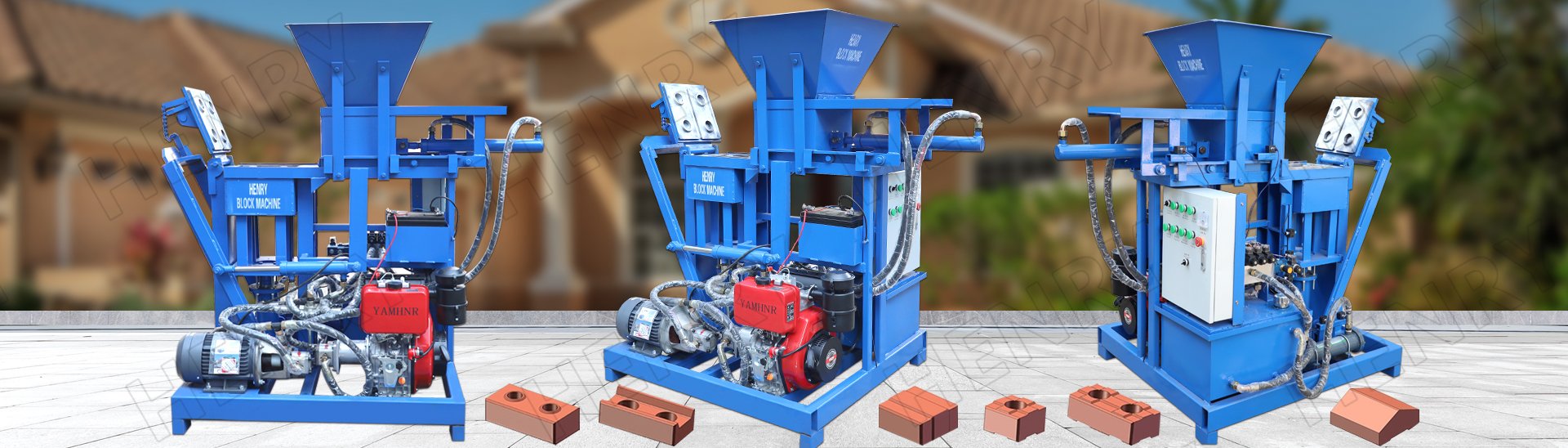
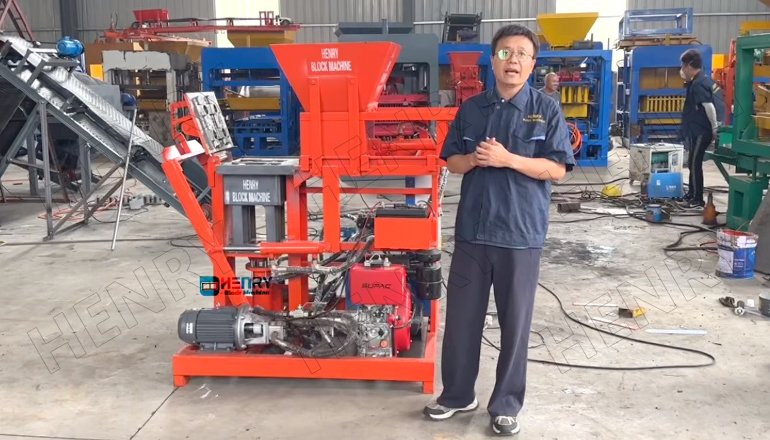
Fully Automatic HR2-25 compressed soil block machine (Dual-Version: Diesel and Electric Power)
The core advantage of the HR2-25 compressed soil block machine lies in its provision of a highly flexible and efficient brick production solution; customers can select a power source based on local infrastructure conditions, thereby eliminating reliance on a single energy source—such as the electrical grid or diesel fuel. In regions with stable and affordable electricity, using electric power to produce clay bricks can effectively reduce production costs. Conversely, should power instability arise—due to weather conditions or other factors—production can be promptly switched to diesel power, ensuring that brick manufacturing continues without interruption and the project proceeds as planned; this versatility gives the HR2-25 interlocking compressed earth block machine exceptional adaptability.
In areas with a stable power supply, the HR2-25 compressed soil block machine can be configured with an electric motor; this option offers lower daily operating costs and is ideal for large-scale production. Electric operation is quiet and emission-free, making it an eco-friendly choice that allows for clay brick production in a residential yard without disturbing neighbors. Alternatively, the diesel-powered version offers superior mobility, enabling brick production in remote locations or at construction sites with unreliable electricity. The diesel engine delivers robust power and proven reliability, ensuring consistent performance under harsh conditions—such as extreme heat or cold, high humidity, and high altitudes. By offering both electric and diesel versions, the HR2-25 compressed soil block machine leverages the distinct advantages of each power source to ensure the optimal solution for every customer.
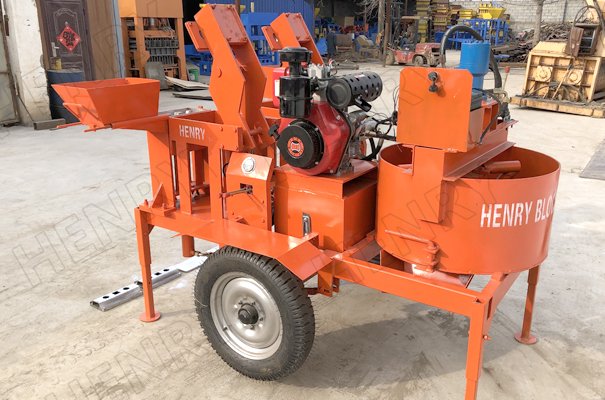
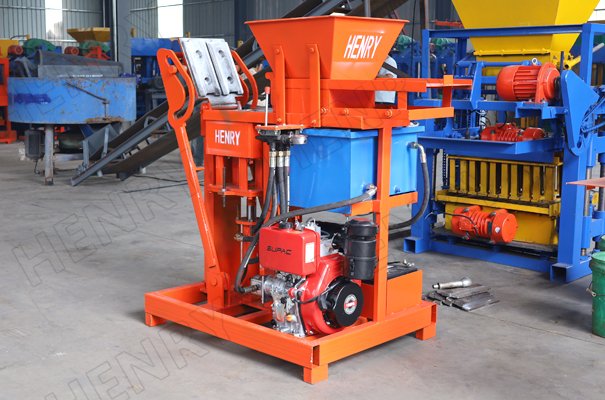
The HR2-25 compressed soil block machine is the most affordable fully automatic model available. As an entry-level fully automatic unit, it offers advantages such as a simple operating system, increased output, and consistent quality in the clay bricks produced, helping customers move beyond manual production methods to achieve automated, standardized, and large-scale manufacturing. For customers, the fully automatic HR2-25 interlocking compressed earth block machine represents excellent value for money. The machine measures 1,350 x 1,180 x 1,720 mm and weighs 750 kg; it is powered by a 10 HP diesel engine or a 5.5 kW electric motor and boasts a daily production capacity of 3,000 clay bricks.
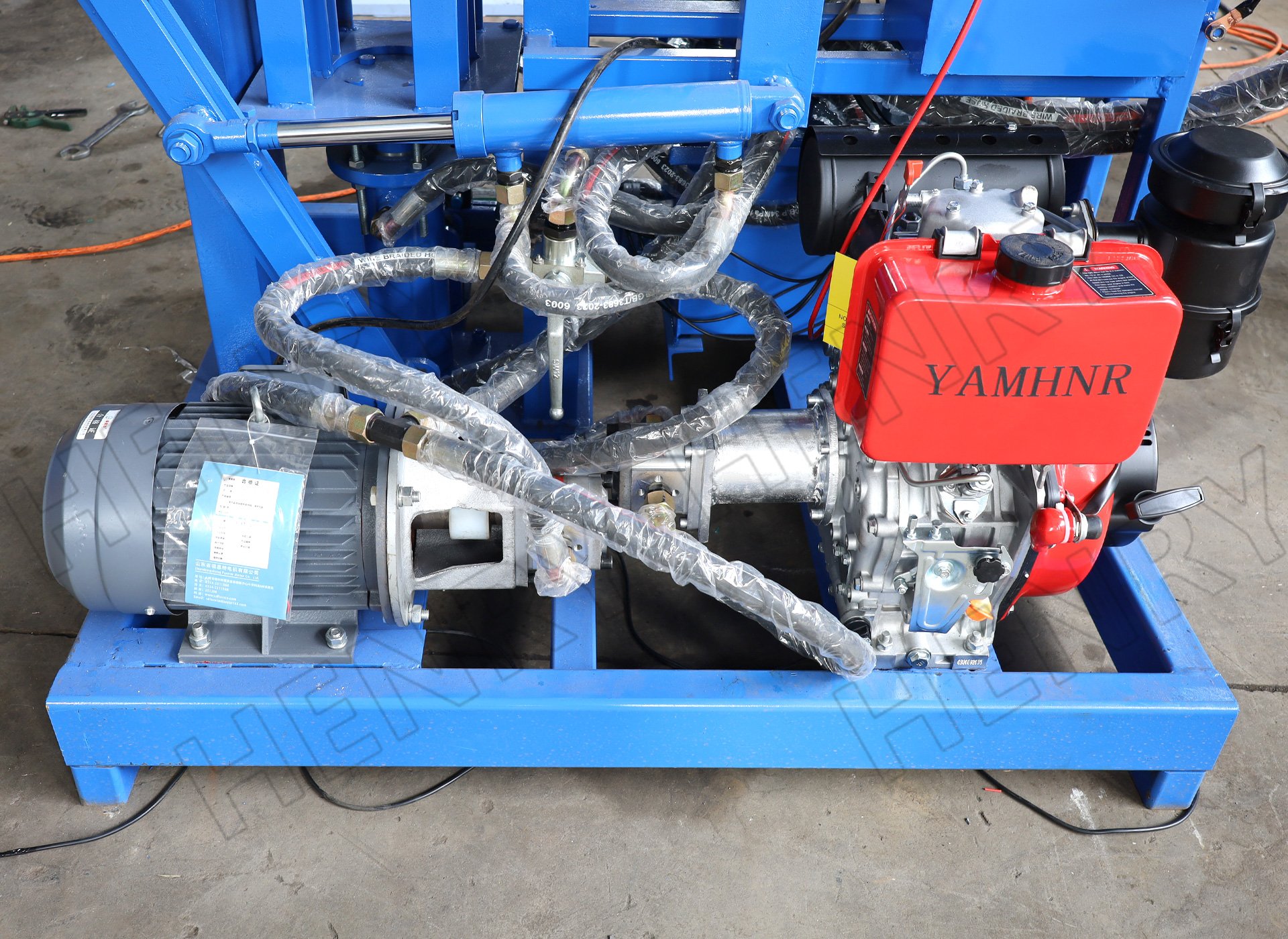
Dual-powertrain system featuring both electric motor and diesel engine options
The key selling point of the HR2-25 compressed soil block machine is its dual-power capability; equipped with both a diesel engine and an electric motor, it allows users to easily switch between power sources via a selector valve, putting the choice of power source in their hands. The manual compressed earth block machine’s 10HP diesel engine is inherently robust, delivering high torque at low speeds for powerful, stable performance. Meanwhile, the 5.5kW electric motor offers high energy efficiency and rapid response, featuring a modular design that simplifies maintenance
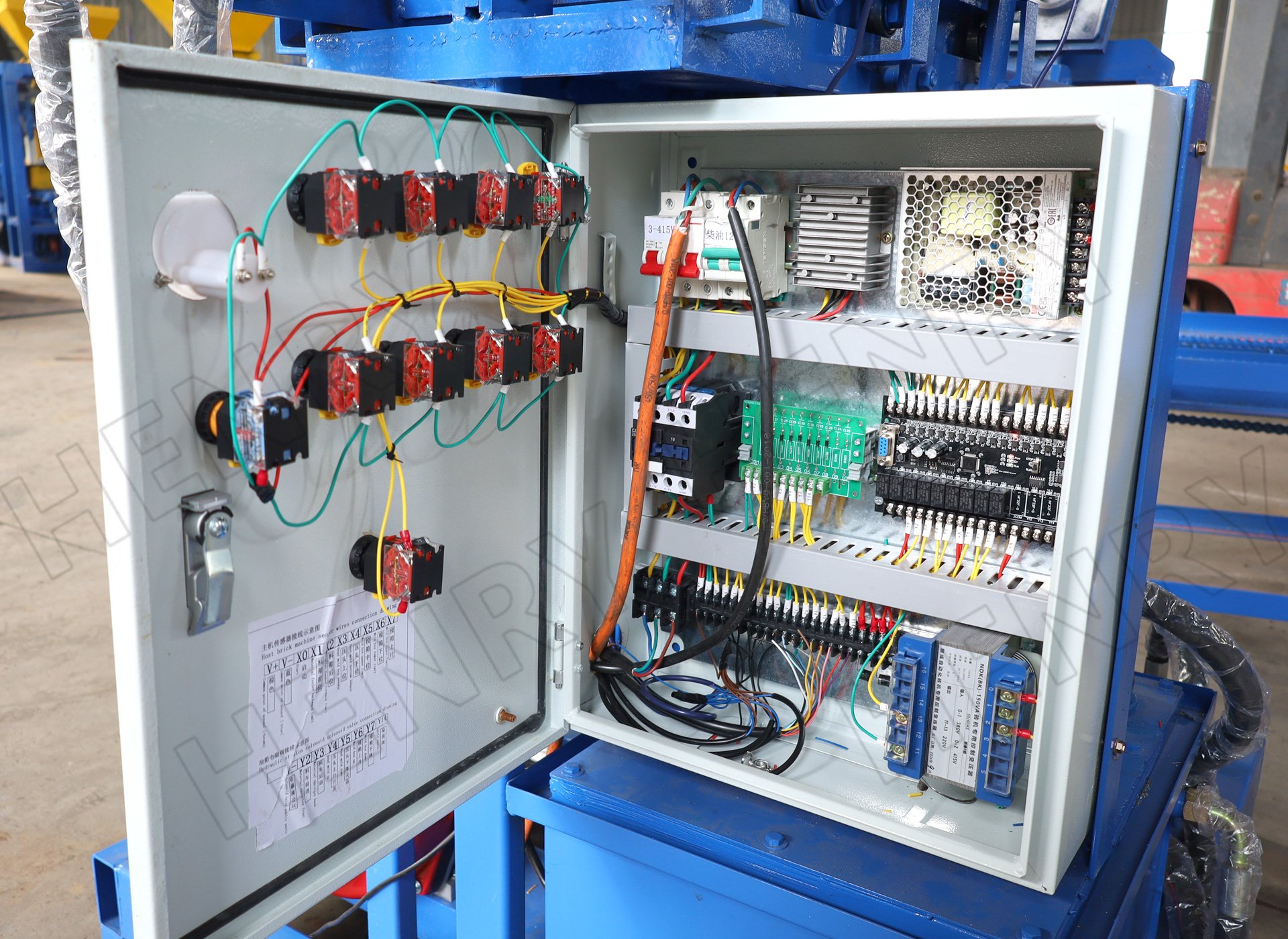
The PLC control cabinet is the "control center" of the HR2-25 compressed soil block machine
The core function of the PLC control cabinet on the HR2-25 compressed soil block machine is to enable the automated production of clay bricks—a key selling point that transforms the brick-making process from manual operation to intelligent production. The PLC control cabinet for the HR2-25 compressed earth blocks for sale features a standardized and reliable electrical design, incorporating strict separation of high- and low-voltage circuits and orderly wiring practices. It utilizes contactors and relays from renowned brands, ensuring robust and reliable components as well as straightforward, convenient maintenance.
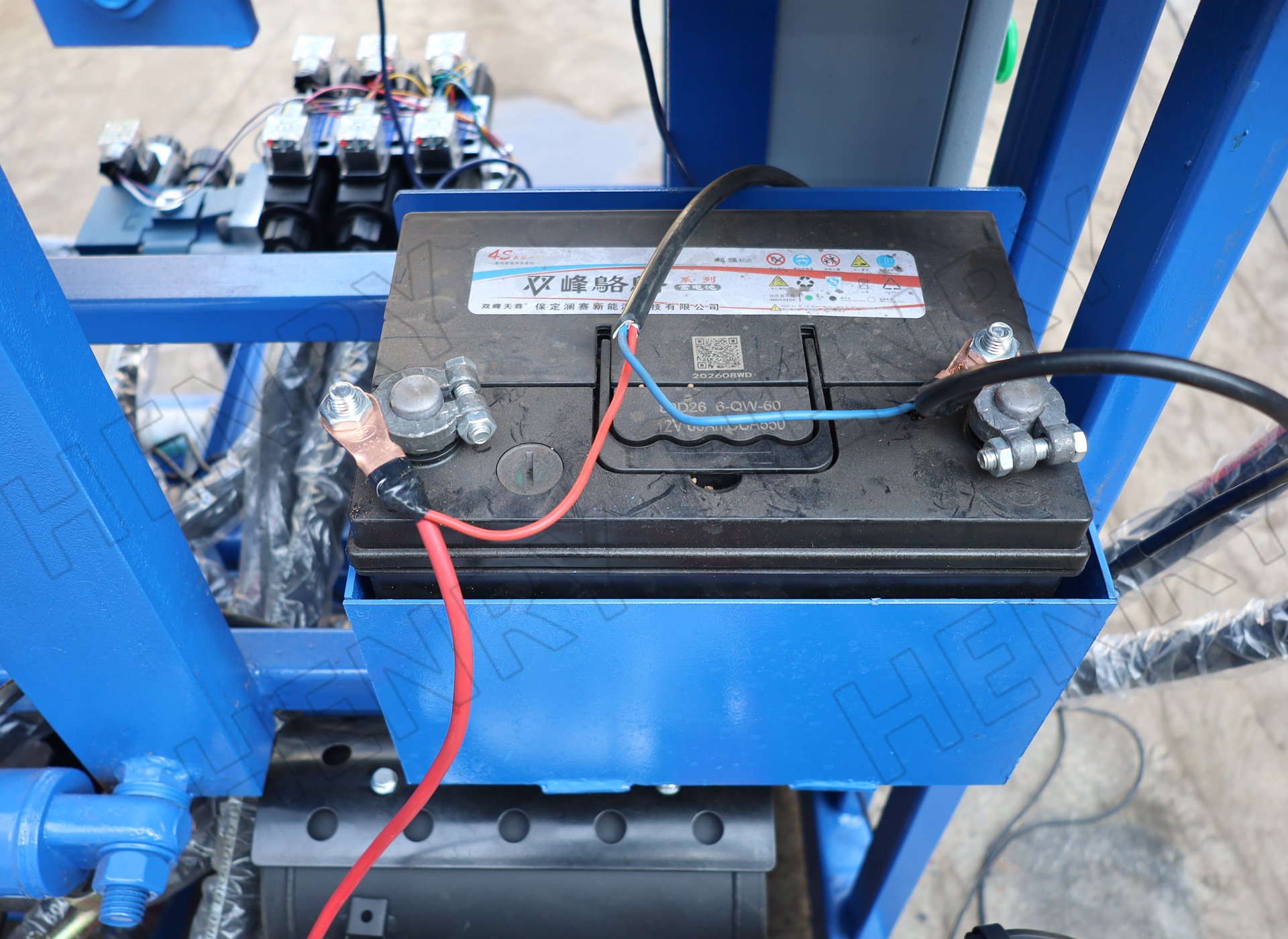
Well-known domestic battery brands
The battery equipped with the HR2-25 compressed soil block machine serves the primary functions of starting the engine and supplying power. As the diesel engine utilizes an electric starter, the battery provides the necessary instantaneous current for ignition while simultaneously powering the electronic control system, sensors, and other components. This battery delivers powerful starting performance, capable of discharging a massive current in an instant. It features a spiral-wound design that offers vibration resistance more than ten times greater than that of standard batteries, ensuring exceptional durability against vibration. Furthermore, the battery operates reliably within a temperature range of -50°C to 70°C, demonstrating outstanding environmental adaptability.
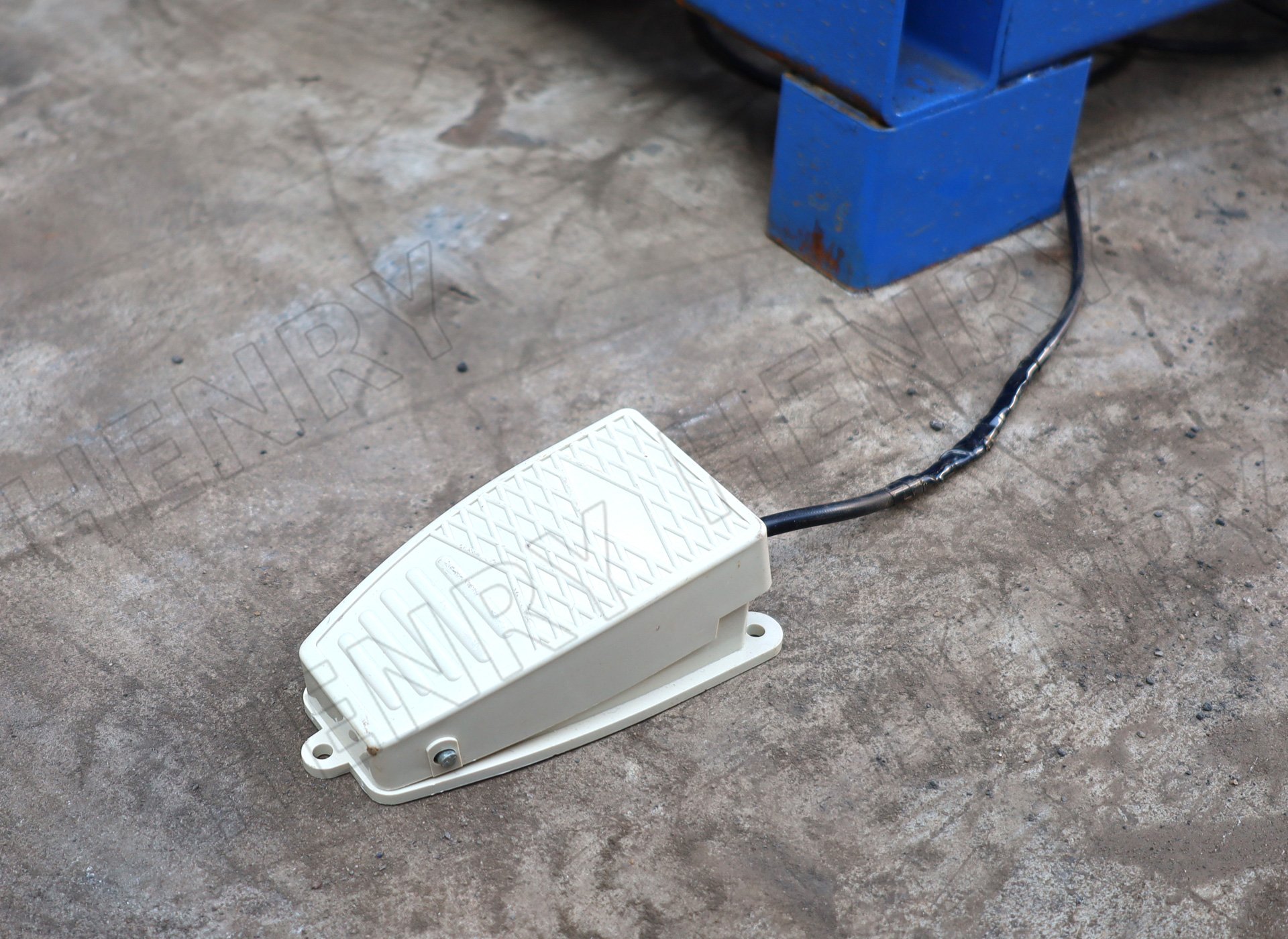
Foot-operated control switch for the HR2-25 compressed soil block machine
The foot-operated control switch allows a worker to trigger a complete clay brick production cycle with a light tap of the foot. Since workers must manually move the clay bricks after they have been molded and demolded by the HR2-25 compressed soil block machine—and the time required for this task varies—the machine is designed to start the next production cycle only after the worker has cleared away all the bricks and tapped the switch; this serves as an additional safety verification step.
HENRY company specializes in producing compressed soil block machine, with more than 20 years of production experience
We can provide fully automatic, semi-automatic, manual, diesel-powered, and movable compressed soil block machine, which can completely meet the different needs of customers.
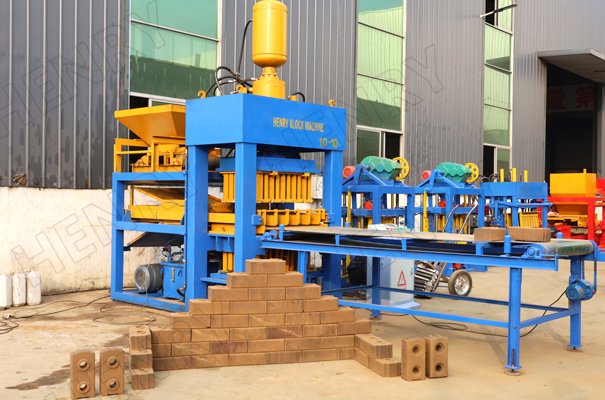
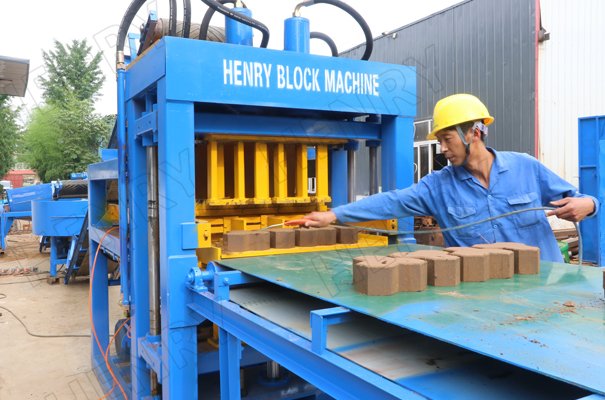
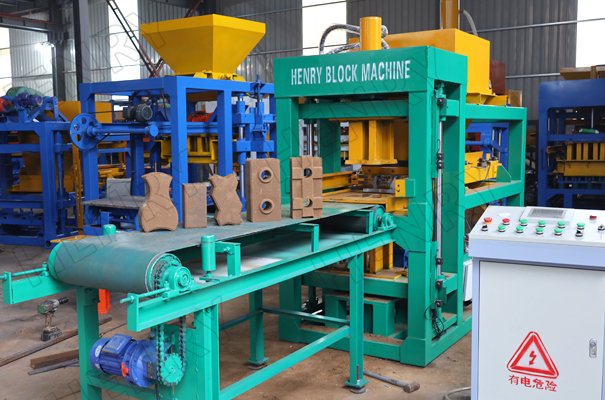

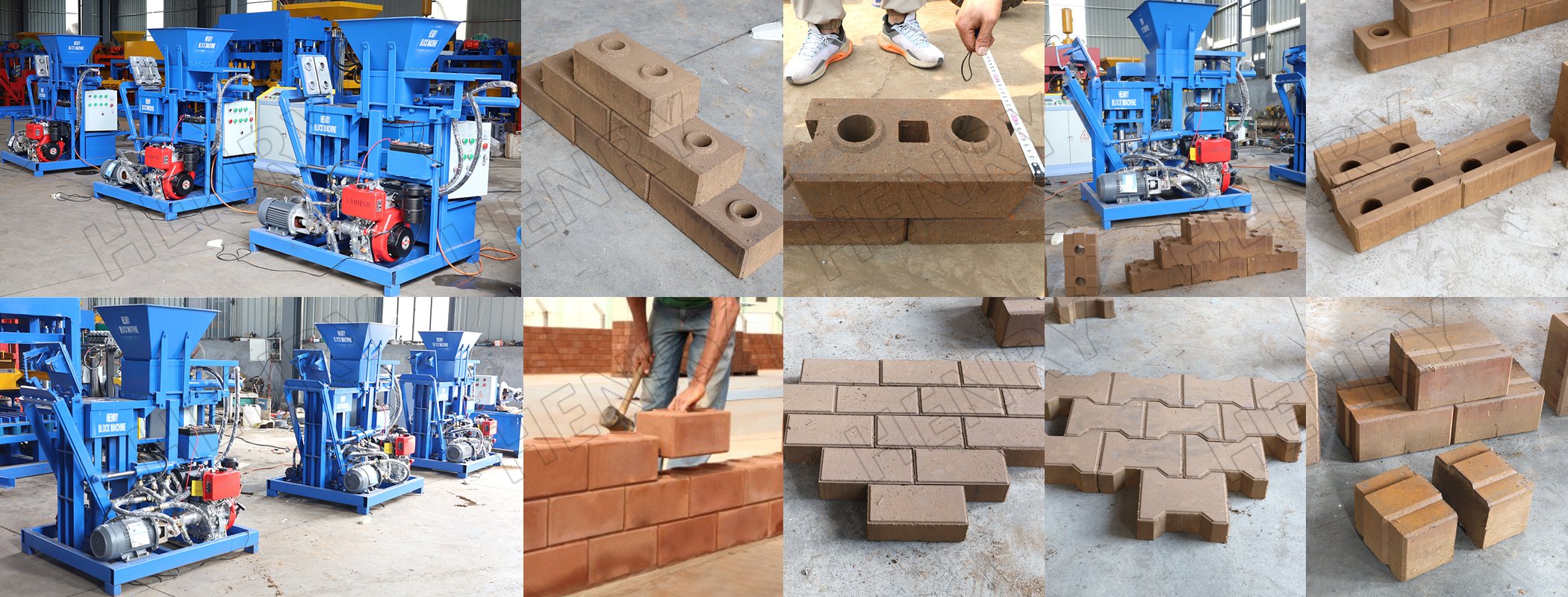
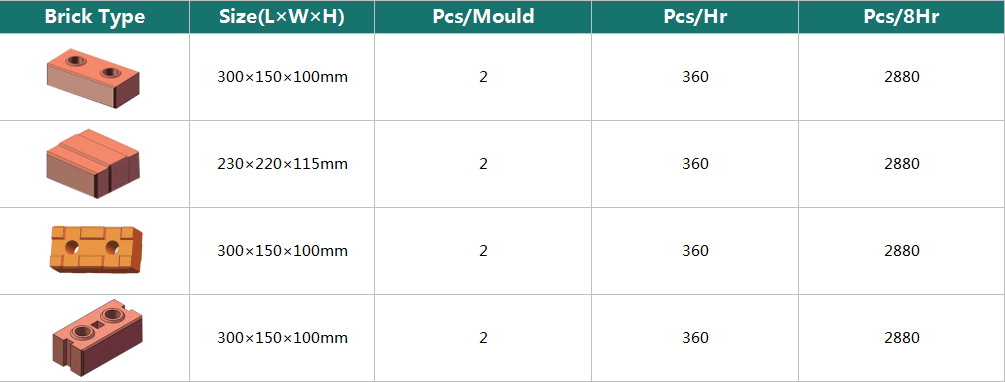
Technical parameters and output display of HR2-25 compressed soil block machine
- Technology datas
- HR2-25 compressed soil block machine production output
| Overall size | 1350*1180*1720mm |
| Shaping cycle | 20 seconds |
| Diesel engine power | 10HP |
| Electric motor power | 5.5KW |
| Unique selling point | Hydraulic system |
| Mixer | JQ350 soil mixer |
| Pressure | 10 tons (adjustable ) |
| Belt conveyor machine | 4m length |
| Worker | 1-2 workers |
| Block mould | One set for free |
| Total weight | 750kgs |
| Color | Customizable |
| Machinery Test Report | Provided |
| Raw material | Clay, soil, mud, cement |
| Place of Origin | Shandong |
| Condition | New |
| After-sales Service Provided | Engineers available for service |
| Product name | HR2-25 compressed soil block machine |
| Warranty of core components | 1 year |
Get More Operation Videos
The complete production process for manufacturing clay bricks using the HR2-25 compressed soil block machine
Producing clay bricks with the HR2-25 compressed soil block machine involves mixing clay, cement, and water, followed by hydraulic pressing to form high-strength, high-density bricks; the entire production process comprises three stages: raw material preparation, pressing and molding, and post-production curing
The process begins with the preparation of raw clay: clay is excavated at the production site and then crushed and screened to produce fine, uniform particles. Next, the clay, cement, and water are loaded into a JQ350 mixer in the required proportions and mixed for 2–3 minutes until the materials are thoroughly blended and the mixture reaches the ideal moisture consistency—forming a clump when squeezed by hand but crumbling easily with a light touch.
The second stage is the production phase: workers pour the prepared clay raw material into the hopper of the HR2-25 compressed soil block machine and lightly press the control switch with their foot. The compressed soil block machine then automatically performs the operations of material feeding, hydraulic molding, and demolding. Workers move the demolded clay bricks to an open area and press the control switch again, repeating this cycle for continuous production.
The dual-version HR2-25 compressed soil block machine offers enhanced versatility, providing a “double guarantee” for clay brick production while optimizing operating costs and delivering superior long-term value. Where a stable power supply is available, the machine can be powered by an electric motor, ensuring low operating costs, silent operation, and zero exhaust emissions—making it ideal for long-term, large-scale production. Alternatively, in areas with unstable power or at remote, cold, and humid work sites, a diesel engine can be used; diesel engines feature mature technology and exceptional environmental adaptability, ensuring the HR2-25 compressed soil block machine continues to operate reliably even under harsh conditions.
The simplest and most direct method is a tactile test: “squeeze into a ball, crumble upon impact.” First, a worker takes a random handful of the raw clay material from the JQ350 mixer and squeezes it in their hand; upon release, the material holds its shape as a ball without crumbling or sticking to the hand. Next, the ball is dropped freely from a height of one meter; if it breaks apart into several pieces upon impact, the moisture content is deemed appropriate.
Before starting the diesel engine, first check the fuel and engine oil levels to ensure there is a sufficient supply, and perform a walk-around inspection to check for any oil leaks. Additionally, the engine oil and oil filter should be replaced every three months, while the diesel filter should be replaced every six months. After starting the engine, let it idle at low speed for 2–3 minutes before commencing clay brick production.
Before starting the HR2-25 compressed soil block machine, inspect the battery casing for cracks or leaks, ensure cable connections are secure, and check battery terminals for oxidation; any oxidation must be cleaned off promptly. Use a multimeter monthly to measure the static voltage; if the charge level falls below 50%, recharge the battery immediately to prevent plate sulfation, which can lead to a reduction in battery capacity. Additionally, keep the exterior of the battery clean by gently wiping the surface with a cloth or sponge.
The difference between diesel and electric power modes lies not in output capacity, but in how well they suit the customer’s on-site operating conditions; both modes ensure continuous production across diverse settings—whether in areas with stable power supplies, remote locations lacking electricity, or regions with harsh environmental conditions. Data confirms that the baseline output remains consistent regardless of whether the diesel or electric mode is used.
During the production of clay bricks with the HR2-25 compressed earth block machine plans pdf, a light tap on the foot pedal immediately triggers a complete single pressing cycle. This frees up the operator’s hands, allowing them to initiate the cycle while handling the bricks; furthermore, the foot pedal’s design prioritizes safety, preventing accidental activation—and the resulting hazards—during the handling process.
 English
 Russian
 Spanish
 Arabic
 French