




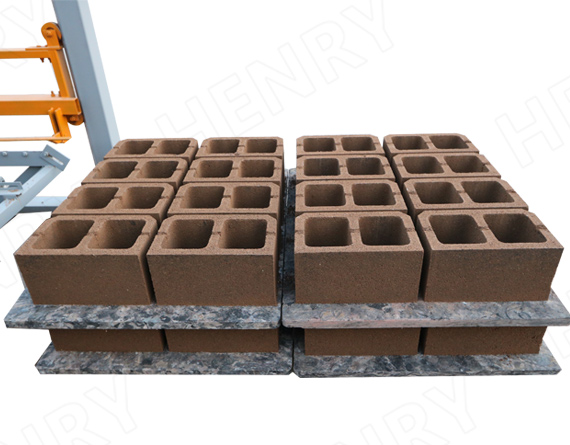
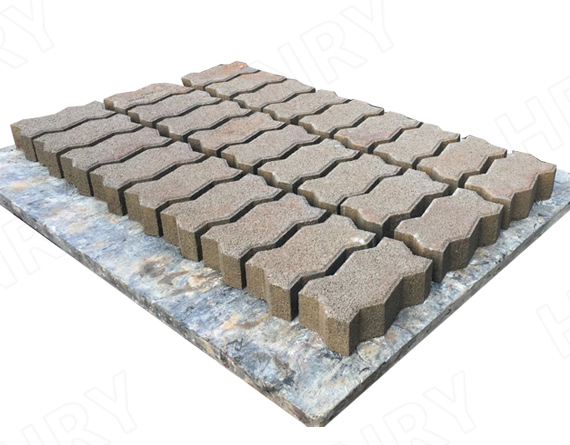
QT4-18s fully automatic hydraulic block making machine production line for sale
QT4-18s is a benchmark product model developed by Henry brand in the context of pursuing extreme automation, high production efficiency and intelligent parameter setting. QT4-18s is different from previous hydraulic block machine models. It has a wider body and can increase production by increasing the size of the mold. We have made a lot of efforts to improve the most challenging and sharp vibration force of the hydraulic block machine. That is, not only to ensure the increase in production, but also to better distribute the proportion of raw materials with the increase of concrete raw materials, reasonably distribute the vibration start time difference before distribution, and intelligently detect the overall density and strength of the blocks to achieve a uniform state during the entire hollow block extrusion process.
Fully automatic hydraulic block making machine production line for sale
Saving worry and effort is always the goal pursued by Henry block making machine. The QT4-18s is fully automatic brick-making machine not only implements the safest PLC control system but can also combine the customer’s production habits and the frequency of production time to achieve self-protection. , safety self-inspection, so how do we save worry and effort? We have equipped users with innovative cement silo equipment to digitally control the supply of cement usage, which not only reduces cement loss but also ensures precise control of the proportion of cement in all brick production.
Second, the Henry Brick Making Machine also provides customers with intelligent batching machine equipment. We give the users three-chamber batching machines and two-chamber batching machines, all of which use electronic scale induction technology to weigh the quantity of each material used so that It will be a good solution for brick machine users to measure the proportion of different raw material procurement costs to produce a brick, and better help users analyze the cost of materials used in each production cycle and the storage of raw materials more intelligently and clearly.
Third, Henry block-making machine is equipped with a dual-shaft forced concrete mixer for users. Whether it is the dry humidity of raw materials, water addition, mixing time, and unloading time, digital parameters can be set to achieve precise control, ensuring that each piece of hollow cement The raw materials of the bricks are mixed to achieve maximum homogeneity.
Fourth, the rollout of concrete bricks after they are formed is extremely critical. Many other competitors do not pay much attention to the control and optimization of this technology, which results in the bricks shaking when rolled out to the brick production platform. Broken, but the latest motor buffering and damping technology adopted by our Henry brick-making machine can very gently ensure that the bricks are smoothly transferred to the palletizer for smooth and safe stacking, thus ensuring the original quality of the bricks. Immaculate condition.
Technical Data
- Tab1
- Tab2
Specification Parameter
| Overall size : | 3550*1600*2400mm |
| Weight of host block machine | 3300kgs |
| Host machine rated power | 15.4kw |
| Worker number required | 3-5 workers |
| Pallet size | 850*550*20mm(adjustable) |
| Vibration force | 40-50KN |
| Block forming period | 15-18 seconds |
| Applicable industries
| Building Material Shops, Machinery Repair Shops, Manufacturing Plant, Construction works , Block machine |
| Raw material | Concrete ( cement, soft sand, river sand, stone dust, fly ash, aggregate, gravel, cinder and so on ) |
| Block mould | One set for free |
| Mixer model | JQ500 concrete mixer |
| Belt conveyor machine | 6 m length |
| Core Components | PLC, Engine, Bearing, Gearbox, Motor, Pressure vessel, Gear, Pump |
| Warranty of core components | 1 year |
| Place of Origin | Shandong |
| Unique selling point | Fully hydraulic system |
| Color | According to the buyer’s requirement |
| Video outgoing-inspection | Provided |
| Machinery Test Report | Provided |
| Condition | New |
| After-sales Service Provided | Engineers available to service |
| Product name | QT4-18S block making machine |
| Quantity / mould | 4 pieces of 400*200*200mm hollow block |
| Production area required | 2000-3000 square meters |
| Workshop area | 80 square meters |
| Raw material store workshop | 400 square meters |
| Office | 50 square meters |
QT4-18S automatic hydraulic block machine production capacity:

The advantages of QT4-18S fully automatic hydraulic block making machine For sale production line

Electrical PLC controller box
01. Electrical PLC controller box
Henry is equipped with Siemens display screen, which has higher definition and more responsiveness. There is no freezing or black screen. Use Schneider circuit breakers and air switches, good stability and stable power standards
Block making machine Horse
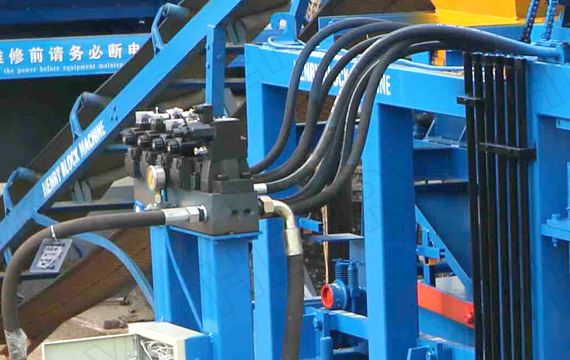
02. concrete block -making machine Horse
Steel wire spiral hose Bear high temperature and high-pressure Flange interface sealed well no oil leakageSteel wire spiral hose Bear high temperature and high-pressure Flange interface sealed no oil leakage. Compressive strength reaches 55Mpa
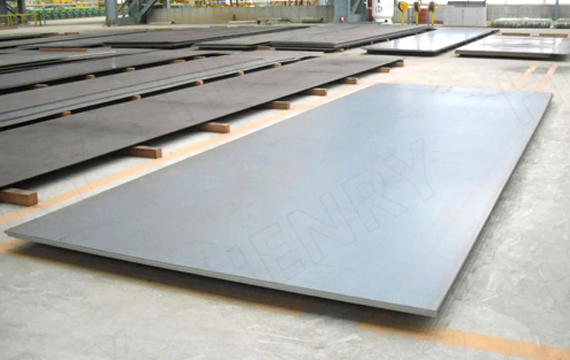
Brick making machine steel material
03. Using national standard 345# steel plate, Good toughness, which is suitable for carbon dioxide shielded welding process, the welding place will not deform, and it is not easy to leave welding slag. The steel has few impurities, high purity, and is easy to bite with various paint surfaces.
The material cart for feeding concrete
04. Slide rail design to reduce feeding resistance. manganese steel casting is strong and wear-resistant. Cast bearing, low lubrication resistance.The slide rail design reduces feed resistance. The manganese steel casting is strong and wear-resistant. The cast bearing has low lubrication resistance. The rails are heat treated and are more wear-resistant after forging.


Hollow block mould is free
05. Carburizing, heat treatment, wear resistance. Wire cutting process, small error CO2 protected welding, strong weld, no cracking and mold blocking. You can replace molds of different sizes to produce different hollow bricks, solid bricks, pavement bricks, curbstones, and design mixed molds to reduce procurement costs
Cast iron integrated vibration box
06. vibration box
The dual-axis synchronous inertia is larger, the vibration force is stronger, and it comes with a breathing valve to discharge the oil temperature caused by rotation. Professional gear steel is one-piece molded with high strength. Note that when vibrating, the two vibrators should rotate in opposite directions to achieve the maximum vibration force.


Siemens brand electrical motor
7. Best brand electrical motor of Siemens
High-efficiency motor unique line guarantee of strong power, Long service life adapt to different needs,At the same time, Siemens motors have a wide sales range, and it is easy to find replacement motor service outlets in various countries.
Top hydraulic compressing cylinder
08.
20 tons Top hydraulic compressing cylinder
The 20-ton pressure cylinder plays a good role in supplementing the pressure. While the vibration box provides the main power source, it can also provide a good pressure density to the upper part of the brick.

QT4-18s automatic concrete block machine advantages







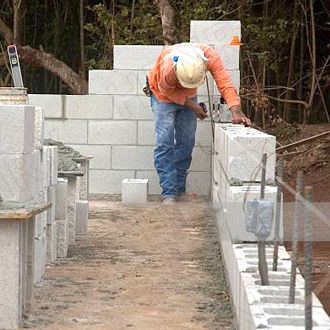
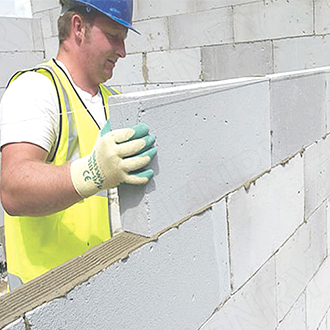
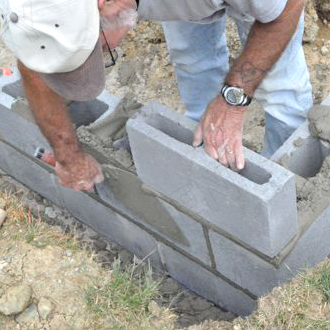
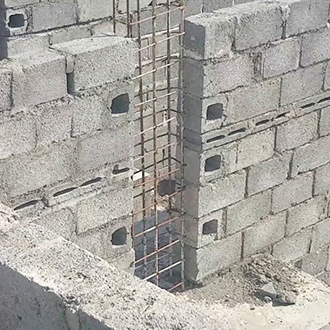
Simple project sections and block laying buildings
- Gallery
- Data Shete


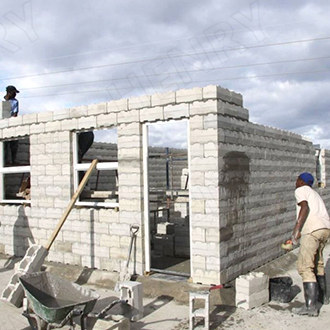
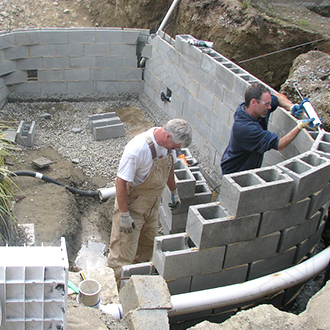

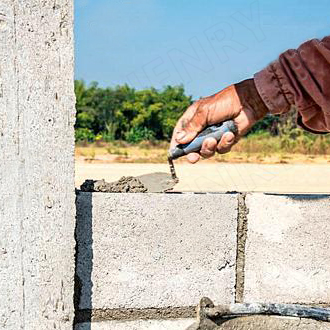
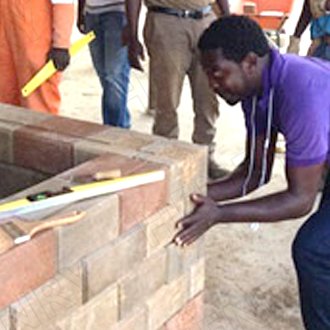



Concrete block samples for clients to choose (6)

Size: length 400* width 200 *height 200 mm
4 pieces per mould
720 pieces per hour
5760 pieces per 8 hours
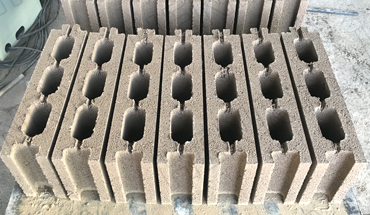
Size: length 400* width 100 *height 200 mm
14 pieces per mold
3360 pieces per hour
26880 pieces per 8 hours

Size: length 500* width 150 *height 200 mm
5 pieces per mould
1200 pieces per hour
9600 pieces per 8 hours

Size: length 200* width 160 *height 60 mm
8 pieces per mould
1440 pieces per hour
11520 pieces per 8 hours

Size: length 200* width 100 *height 60 mm
14 pieces per mould
2520 pieces per hour
20160 pieces per 8 hours

Size: length 400* width 125 *height 200 mm
6 pieces per mould
1080 pieces per hour
8640 pieces per 8 hours

QT4-18s Automatic block makig machine test all kinds of concrete block for customers
- What is the most professional description for QT4-18s block machine complete production line
- QT4-18s hydraulic automatic hollow block machine description with nice painting
- Which necessary euqipments are used for QT4-18s fully automatic block making machine ?
- How to operate a fully automatic concrete block making machine correctly ?
How to confirm your final decision on the concrete hollow block style ?
First of all, please tell us which country you are from. Our team will advise customers on the corresponding size and type according to the most used brick types in this market before. Then, customers can ask us to design drawings for them according to their own requirements. Finalize the bricks or blocks that the customer wants to produce。

Part of the realistic portrayal of using the Henry cement block machines for sale


Necessary equipments for QT4-18s Automatic brick makig machine complete production line (5)

Batching machine is for batch different size of gravel and stone powder.
PLD1200 batching machine data:
Overall size : 7500×2200×2500mm Weight 4500kgs rated power 8.8 kw Total capacity: 1200L Storage capacity: 3*2.5m3 Production bality 56m3/h Height of Adding Material: 2.8m Belt speed: 1.25m/s Product name PLD1200 batching plant machine 
JQ500 concrete mixer to mix cement , sand, stone dust , gravel
JQ500 Mixer Parameters data :
Overall size : 1500*1500*1300mm Weight 800kgs rated power 11 kw Charging volume: 750L Discharging 500L Capacity: 12m3/h Mixing motor: 11 KW Lifting motor 0 KW Water pump power: 0.75 KW 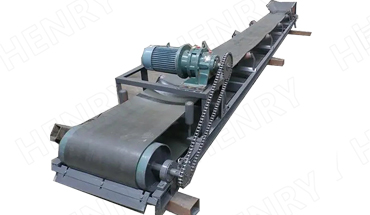
Conveyor is for conveying material from mixer to block machine hopper.
The belt conveyor parameters :
Weight: 150 kgs Overall size: 6000*700*500mm Motor power : 2.2 kw Belt type: “V” type complete Conveyor speed: 1.2 m / second Stories Single steel material angle iron Assembly method detachable Belt material Rubber belt wire 
Single pallet stacker to stack finished hollow block or paving stone
Stacking machine parameters:
Overall size: 2300*1300*2200 mm: Power (KW): 3KW Speed 0.5M/S Stacker layer 3-4 layers Total weight: 500KGS stacking method clamp handle stacking accuracy 5mm safety performance anti-pinch, anti-collision Pallet size Adjustment size 
3.5 tones forklift for carrying bricks out
3 tons forklift parameters:
Tyre style solid tyre Mast lifting max. height 3000mm Fast driving speed 18/19km per hour Overall length 2700*1225*2700mm Fork size 1070*122*45mm Applicable industrials logistic transport Engine type wei chai brand Loading capacity 1000-3000 kgs Weight 4300kgs
QT4-18s no longer blindly pursues the accumulation of excellent brands of electronic accessories, but through the parameter adjustment of the electric control box, it realizes the intelligent integration of parameters during the operation of the block machine to the greatest extent. For example, in the block machine, when the compaction cylinder presses down the block and the vibration box provides vibration force, if the raw material dryness and humidity are improperly adjusted and cannot be pressed down, the electronic control system will sense it in advance and take action to stop pressurization. Demolding in advance to avoid brute force pressurization to damage the mold and hydraulic system. In this way, workers will recheck the dryness and wetness of raw materials in time. In this way, Henry QT4-18s concrete block making machine can reduce the breakage rate of blocks, and the service life of the machine hydraulic system reaches the industry-leading level. In this regard, our customers and many other companies’ block machine customers have given us feedback that sometimes the blocks they produce are either inconsistent in height, or when demolding, the upper part of the blocks is easy to pull cracks, or even if the blocks are intact when they are produced, but after a few days of maintenance, cracks will appear on the surface of the blocks to varying degrees, affecting the sales of your blocks and the construction of houses, causing quality risks. What is the reason for this? I will give the most accurate answers one by one in the following introduction.
When planning to build a brick factory, several factors should be considered when determining which brick making machine model to purchase. These factors include:
1. Production capacity: The output required by the brick factory will determine the size and output of the brick making machine. Consider the expected demand for bricks and the projected sales volume.
2. Type and size of bricks: Different brick making machines are designed to produce specific types and sizes of bricks, such as solid bricks, hollow bricks, interlocking bricks, or paving bricks.
3. Level of automation: The level of automation required in the brick production process is an important consideration. Fully automatic machines are capable of high-speed production and require minimal human intervention, while semi-automatic or manual machines may be suitable for small-scale operations. Moreover, they are quite time-consuming and labor-intensive.
4. Energy efficiency: When choosing a brick making machine, energy consumption and operating costs should be evaluated.
5. Maintenance and support: Consider the ease of maintenance, technical support, and after-sales service of the selected machine model. Reliable after-sales support is essential for the long-term performance and sustainability of a brick factory.
The proportions of concrete materials used in the production of concrete blocks may vary depending on the specific requirements of the blocks and the manufacturing process. The following are the specialized raw materials commonly used in the production of concrete blocks:
1. Cement: The cement content in the concrete mix is usually 5% to 10% by weight. Cement acts as a binder in concrete and is the guarantee of the quality of concrete blocks.
2. Fine aggregate (sand): The weight content of fine aggregate is usually around 25% to 30%. Sand provides density to the concrete mix and helps fill the voids between the coarse aggregate particles.
3. Coarse aggregate (gravel or crushed stone): The content of coarse aggregate is usually in the range of 55% to 60% by weight. Coarse aggregate provides volume and firmness to the concrete mix and helps improve the overall strength and structural integrity of the block.
4. Water: The water-cement ratio is an important factor in the production of concrete blocks. The water content is usually adjusted to achieve the desired consistency of the concrete mix so that the blocks do not crack when demoulding.
The compressive strength of concrete blocks is a key factor in determining their quality and suitability for a variety of construction applications. The compressive strength of concrete blocks is usually measured in pounds per square inch (psi) or megapascals (MPa).
1. Standard concrete blocks: Standard concrete blocks commonly used in construction typically have compressive strengths ranging from 1,500 psi (10 MPa) to 5,000 psi (35 MPa). These blocks are suitable for a variety of non-load-bearing and load-bearing applications
2. High-strength concrete blocks: High-strength concrete blocks are designed to meet specific structural requirements and can have compressive strengths exceeding 5,000 psi (35 MPa). These blocks are used where greater strength and durability are required, such as heavy load-bearing walls, foundations, and structural members.
Curing wet concrete blocks is a critical step in the production process to ensure that the blocks achieve maximum strength, durability and quality. And minimize the risk of cracking, shrinkage and surface defects.
1. Moisture retention: After the concrete blocks are formed and demoulded, they must be kept moist to prevent rapid loss of moisture. This can be achieved by covering the blocks with wet burlap, plastic sheets, or using curing agents to retain moisture and prevent the surface from drying out too quickly.
2. Time and temperature: The curing period of concrete blocks is essential for the improvement of strength. Generally, concrete blocks should be kept moist and prevented from drying out for at least 7 days, but longer curing times can further enhance the strength and durability of the blocks.
3. Wet curing methods: There are many ways to wet-cure concrete blocks, including water storage, sprinkling, misting and using curing blankets.
4. Curing environment: The curing environment should avoid extreme temperature fluctuations, direct sunlight and strong winds, as these factors can cause rapid moisture loss and surface cracking.
When pricing concrete hollow blocks to ensure fast sales and maximum profits, various factors need to be considered, including production costs, market demand, competition, and perceived value
1. Cost Analysis: Calculate total production costs, including raw materials, labor, equipment maintenance, utilities, and overheads.
2. Market Research: Conduct thorough market research to understand the target market’s demand for concrete hollow blocks. Analyze competitor pricing strategies and determine the selling price of hollow blocks of the same size.
3. Pricing Strategy: Choose a pricing strategy that meets your business goals. Options include cost-plus, value-based, competition, or penetration pricing.
4. Profit Margin: Set a target profit margin that reflects the value of your product and the level of competition in the market.
5. Promotions and Discounts: Occasionally run promotions, discounts, or volume-based pricing to stimulate sales and attract new customers.
 English
  Russian
  Spanish
  Arabic
  French